Minnesota corn farmer's CRP land buzzing with pollinator activity
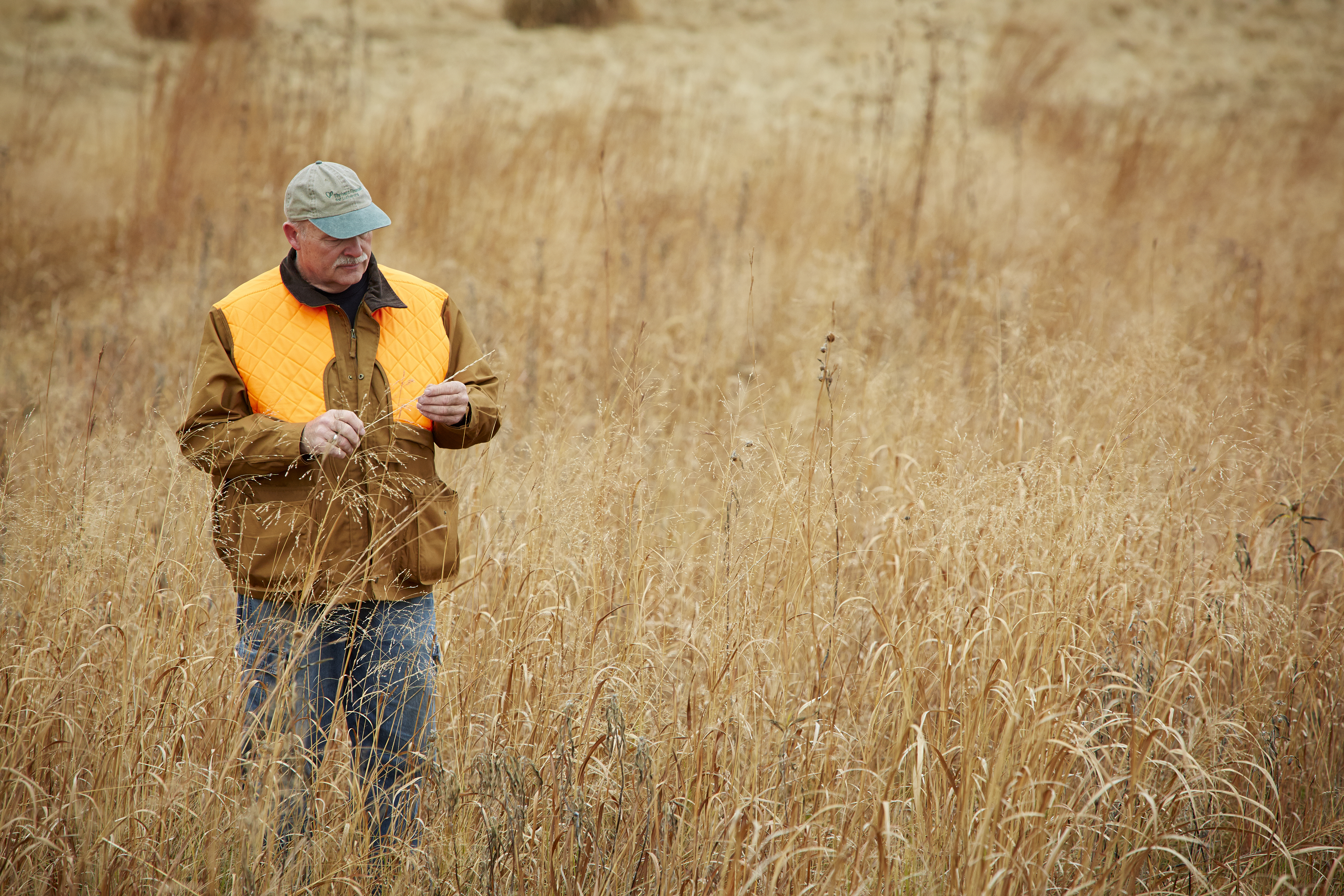
When John Luepke turns off the engine on his 4-wheeler, he hears the steady buzz of pollinating bees on his farm near Courtland, Minn., in Nicollet County.
Luepke has enrolled a 20 acre section of his farm into USDA’s Conservation Reserve Program (CRP), which helps farmers plant species that improve environmental health on sensitive areas of land. The colorful Blacked Eyed Susans and New England Astor flowers created a nearly perfect landscape for pollinating insects like bees. Pheasants Forever also assisted in creating habitat on the site.
“We’ve got a lot of butterflies, too,” Luepke said. “They’re flying around while the bees are buzzing.”
But it’s more than just wild bees that are on Luepke’s corn, sheep and rotational grazing farm. Three years ago Luepke approached Honl Bees out of Winthrop, Minn., about putting some hives on his CRP land. A Honl representative toured the site, and the scenic area has provided a home for Honl
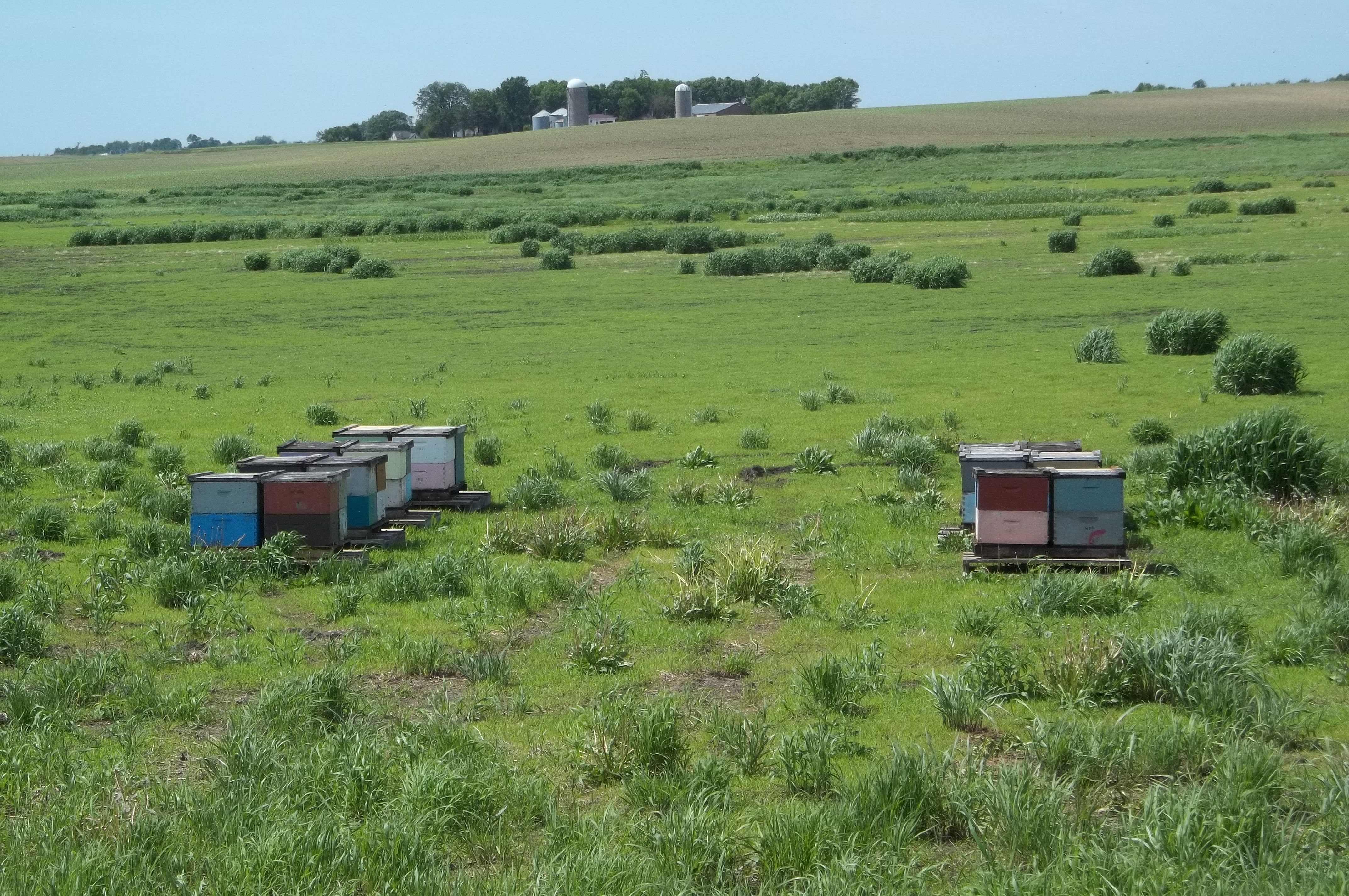
bee hives every summer since.
“It’s worked out great so far,” Luepke said.
In addition to CRP acres, Luepke also has several windbreaks on his farm that are humming with activity from bees and butterflies.
On a separate farm site in Blue Earth County, Luepke has an eight-acre section enrolled in CRP that’s planted in native hot season grasses like switchgrass and canary grass. The project was completed in partnership with the U.S. Fish and Wildlife Service.
“Pheasants eat the switchgrass seeds and it’s great habitat,” Luepke said. “We’re proud of the project.”
Luepke’s ancestors have been farming in Minnesota since 1867. When he’s not working on the farm or maintaining his CRP acres, Luepke serves on the Minnesota Corn Growers Association (MCGA) board of directors. He’s also active in Farm Bureau, Farmers Union, Minnesota Soybean and serves as a director on the Minnesota Soybean Processors.
Over the last year, MCGA has worked to improve pollinator habitat by distributing more than 4,000 pollinator-friendly wildflower seed packets and developing a free pollinator guide for Minnesota farmers. There’s even a new pollinator plot growing outside the MCGA offices in Shakopee.
Today, sunflowers up to 7 feet tall dot the landscape on Luepke’s CRP acres. The giant yellow plants began sprouting up following a prescribed burn that maintains the long-term environmental quality of the land.
“Everything looks great,” Luepke said. “Most importantly, the bees and butterflies seem happy.”