MCGA grower-leaders highlight ethanol, crop-protection tools in Capitol Hills visits

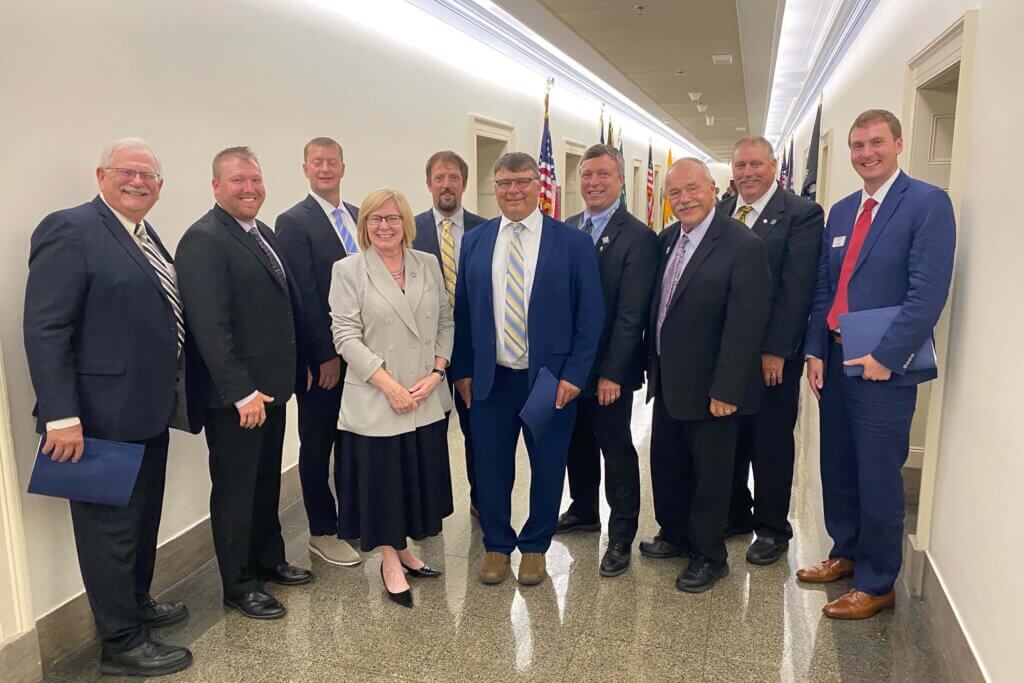
Above: MCGA grower-leaders meet with Minnesota Sen. Amy Klobuchar during Corn Congress last week.
The versatility of biofuels when it comes to solving problems such as high fuel prices, greenhouse gas emissions and U.S. dependence on foreign energy. The critical role crop-protection products and an affordable supply of fertilizer play in farming. The importance of strengthening the safety net under the 2023 farm bill.
Those were among the messages grower-leaders from the Minnesota Corn Growers Association (MCGA) brought to Washington, D.C., last week during visits with members of Congress and USDA leaders.
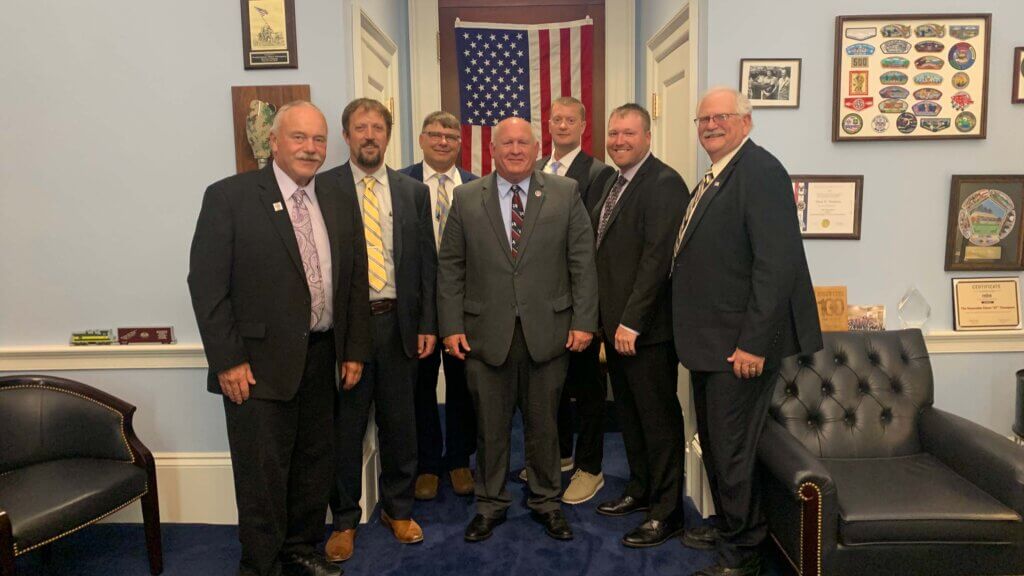
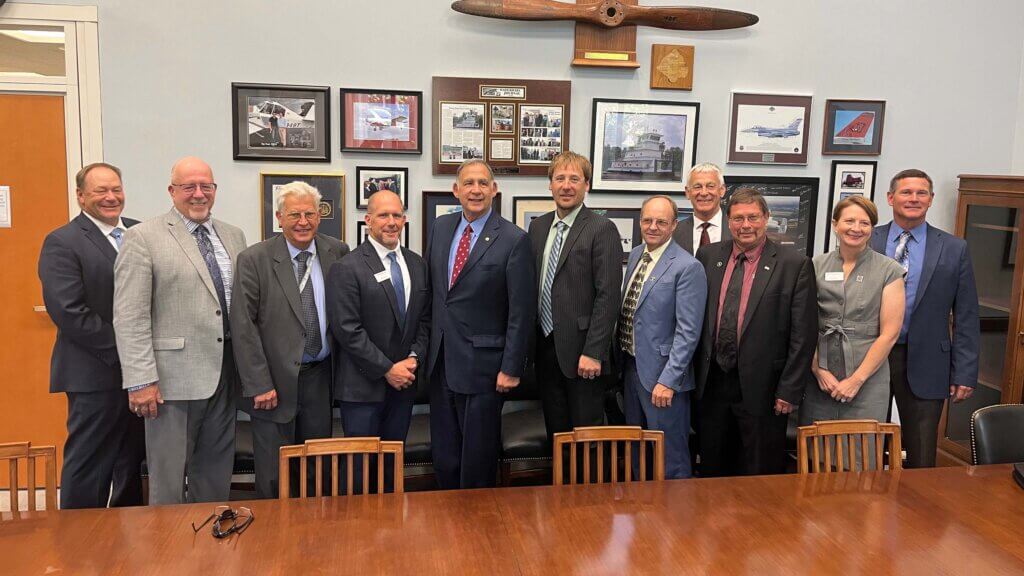
The grower-leaders made the visits during Corn Congress, the biannual gathering of corn farmers from across the country. They met with almost all members of Minnesota’s congressional delegation or their staffs. They also met with Arkansas Sen. John Boozman, the ranking member of the Senate Committee on Agriculture, Nutrition, and Forestry, and Pennsylvania Rep. GT Thompson, the ranking member of the House Agriculture Committee.
Additionally, they met with USDA Farm Service Agency Administrator Zach Ducheneaux and Risk Management Agency Administrator Marcia Bunger.
Grower-leaders made dozens of important points about ethanol, the farm bill and crop-protection tools during their visits, including that:
- ethanol is priced at about $1 per gallon less than unblended gasoline at the wholesale level and that retail consumers are saving as much as 30 to 40 cents per gallon on E15;
- the Biden administration’s use of emergency powers to ensure summertime E15 sales in 2022 helps lower prices at the pump;
- the Next Generation Fuels Act would ensure parity for biofuels;
- additional funding to strengthen the farm safety net would go a long way toward sustaining our nation’s domestic food supply and food source independence;
- crop insurance should be fully protected and strengthened so it works optimally for all farmers, crops and regions of the country;
- Title I should be strengthened by increasing reference prices under the Price Loss Coverage and Agriculture Risk Coverage;
- voluntary, incentives-based conservation programs — which have proven highly successful in protecting soil health, wetlands, wildlife and wildlife habitat — should be preserved;
- the EPA’s proposed restrictions on the well-tested herbicide atrazine would imperil the progress farmers are making in producing more food with less land, water, labor, energy and carbon emissions;
- fertilizer prices are a driving force behind higher production costs for farmers, and they are contributing to higher food prices;
- the limited number of fertilizer companies in the U.S. has raised concerns over competitiveness; and
- the administration should aggressively enforce existing trade agreements and act to stop illegal foreign subsidies, tariffs and non-tariff trade barriers that hurt U.S. farmers, including Mexico’s lagging approval of biotechnology corn products and its pledge to ban GMO corn and restrict glyphosate.
MCGA grower-leaders meet with elected officials and administration leaders each year as part of their mission to achieve public policy outcomes that increase opportunities and resiliency for corn farmers. To learn more about these efforts, visit mncorn.org/advocacy.