Catching up with the Council: Gary Prescher

The Minnesota Corn Research & Promotion Council (MCR&PC), which oversees the Minnesota corn check-off, is led by 11 grower-leaders from across the state with a wide range of backgrounds and experiences. In our new ‘Catching up with the Council‘ interview series, we’ll learn about their farms, work with Minnesota Corn, and thoughts on agriculture. Interviews for the project are by Jonathan Eisenthal.
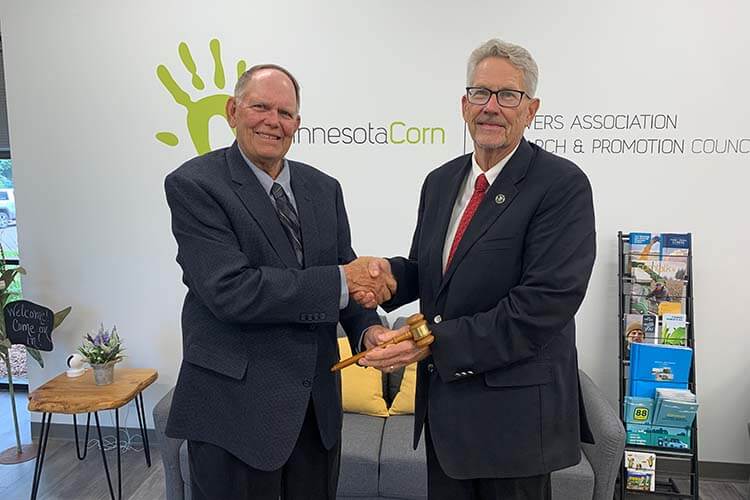
Gary Prescher, MCR&PC chair
Delevan, Minnesota
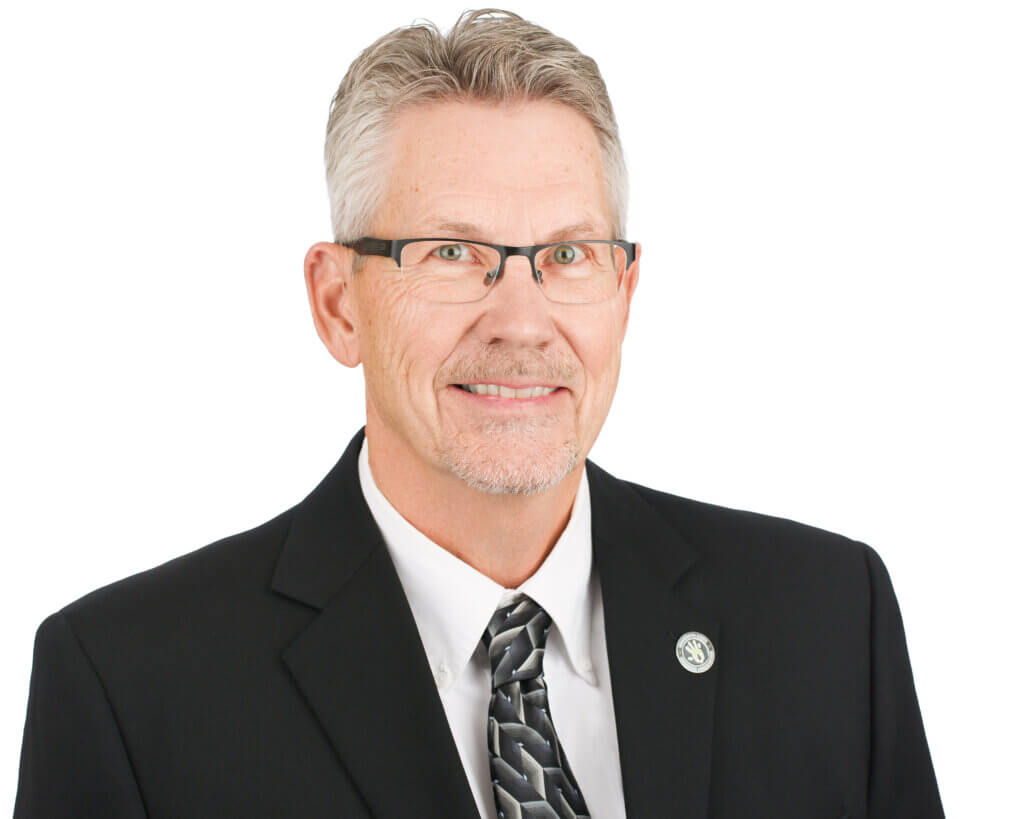
Tell us about your farm.
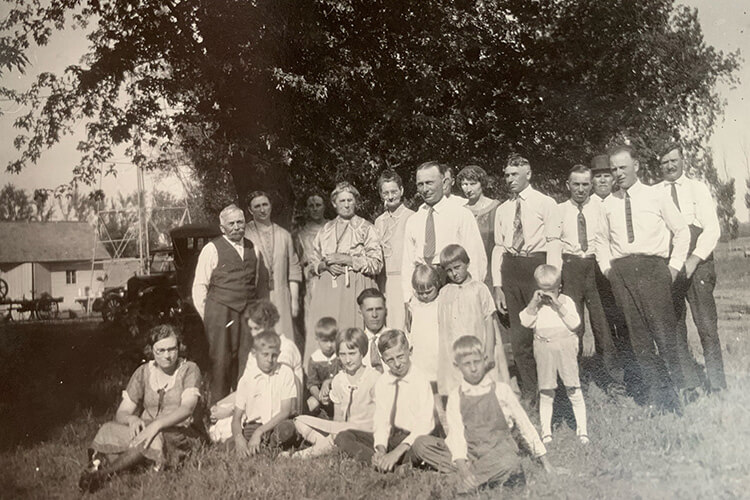
My family settled here in 1907— my great-grandfather and his family came here from Oklahoma. The way it worked, as I understand it, there were other German immigrants in Minnesota at the time. Most of the time, you move to a place and work for somebody, and, eventually, if things worked out, you could own your own land.
My dad started farming in 1948; I started farming in 1975. We are in Delavan, in south-central Minnesota in central Faribault County. Over the course of my farming career, we have grown primarily corn and soybeans. And we raised hogs, though that ended 30 years ago. Off and on, we have also done canning crops—peas and sweet corn.
My parents were bound and determined for me to go to college, so I went to Winona State and got a teaching degree. After we graduated from college, my wife and I taught school for a while, and then we moved by the farm in 1975. During the farm crisis of the 1980s, I took an off-the-farm job to help support my family. So, I had a period of 10 or 11 years where I didn’t actively farm. Then there was an opportunity to move back close to the farm, close enough so that I could start farming with my dad, and he retired in 1996. My off-the-farm job as an agronomist allowed me to do both, which was a real blessing. I got a chance to live it, and to help people with my own experience, and to learn from them, too, while I worked as an agronomist. I got to practice what I preach.
I am toward the end of my career now, and I have help if I need it from my cousin and his son, and one of my neighbors, who has also had an off-the-farm job. So, we work together, at times.
What do you love about farming? What do you find to be the most challenging aspects of it?
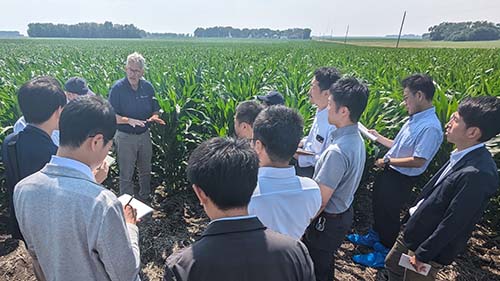
The love of farming is something you grow into. I grew up with it. I love the day-to-day variability, the difference in the job tasks as you go through the growing season and the years. No two years are alike. Any two days can be different, or they can be the same. I guess I like the day-to-day differences, but also the repetitiveness of the seasons. I like being where I grew up, and that my family had the opportunity to grow up together there, too. Family and community are part of the love of farming. There are also the less tangible things, like knowing that I am growing food for others.
Challenges? When you boil it right down, it’s the unknowns. The variability in the weather, and in the marketing. The production side tends to come fairly easily for myself, and I am sure for most growers out here. That’s something that’s a little more prescriptive, but the weather—we are highly dependent on that, as we have seen this year. The volatility in the market is one of the uncontrollable things.
Why is it important to you to participate in the MCR&PC?
It’s important for me to participate because I think I can contribute to the positive things that the council is doing. It is great to be a part of the mission, which is to help our stakeholders, and all the stakeholders out here, through the things that we are doing at the farming level. My lifelong experience helps me to be a contributor and to bring positive results and contribute to the mission.
Do you have particular issues or goals that you would like to pursue as a grower-leader?
Overall, I just want to see the council be effective in the research projects that we have. It all comes from growers, from their check-off dollars. That would be across the research side, the utilization side, and then the outreach to our stakeholders and others—to use those dollars as efficiently and as effectively as possible.
Specifically, to speak to one objective, I would like to be a part of the effort to help secure a productive and sustainable future, through the tools that we have, the tools that we work with at the council.
Who has inspired you by their example? What did you find inspiring about them?
I start with my father. He served on the Soybean Growers board and was chairman for a time, when they were just getting started back in the 1980s. I didn’t really appreciate it then—what he was doing. But I can see it now more clearly, why he took the time to do what he did back then. The efforts that he made. He also served as a county commissioner and worked with the water drainage system. He helped along those lines with growers out here, through the good and bad of it.
When you talk about leaders on the council, I would talk about Doug Albin. Doug has been my mentor along the way. He has helped me in two ways—historically, because he has been a participant for a period of time with Minnesota Corn and the Council. So, when questions come up like ‘Why are we doing this again?,’ he can reflect and take us back to a time when either we have done something and we need to do it again, or why we shouldn’t. Also, the way he challenges the process in terms of his thoughtful questions. I really appreciate his leadership and try to copy some of that along the way. He has been a good mentor.
How do you like to spend free time? Do you have hobbies? Play a sport? Like to travel?
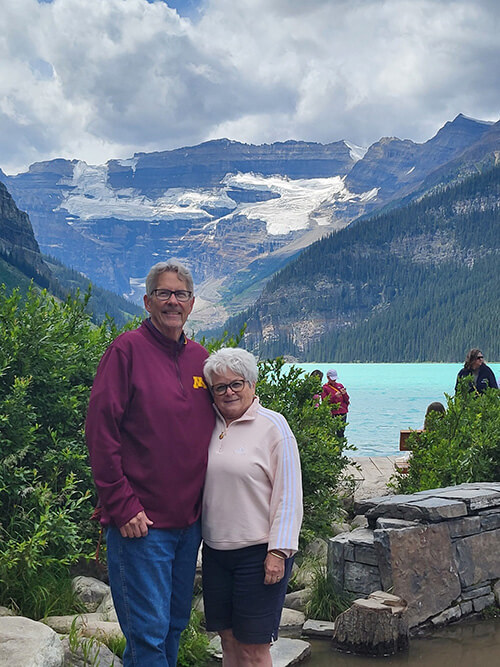
All of the above. I enjoy traveling. That’s been an opportunity that being on the council has given me. I really appreciate that. Through that, it’s a combination of meeting different folks along the way and getting to know new folks. I do spend a lot of time now gardening. Not really vegetables but raising perennial flowers. Reading also, in the winter. I like murder mysteries and adventure books and historical novels.
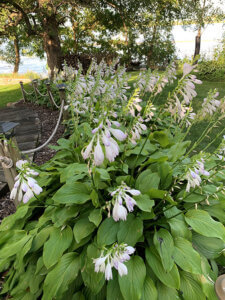
As far as the gardening, hostas would be the number one favorite. I would define our gardens as my wife’s vision and my mission. I have come to enjoy it. Because of the work that I do on the council, building awareness of pollinators, I have also taken a great deal of enjoyment in establishing pollinator habitat and all the diversity that brings. It started out on my property through a Conservation Stewardship Program grant from USDA and has moved on talking with my friends and neighbors about it. Though my wife likes a garden that’s orderly and follows patterns, butterfly habitat has a lot of diversity and it’s kind of random, so it took her a while to get used to having some of that around the property, too. And then my neighbor was watching a show last winter about pollinators, and we were talking about it. I suggested, ‘instead of mowing all that grass, let’s get some pollinator habitat going out there, and you won’t have to mow as much.’
What do you think is something about farming that might surprise the average consumer?
I don’t think people realize how challenging it can be. It can be a greasy, grimy, dirty business. You just have to get dirty sometimes. Things happen where, unexpectedly, you have to stop and clean up. An oil line breaks. You have to crawl inside a combine, spend three hours unplugging it, in the dust and chaff, and you can hardly move. I guess one can say it can also be very dangerous, but I think most folks would understand that.