Catching up with the Council: Scott Winslow
The Minnesota Corn Research & Promotion Council (MCR&PC), which oversees the Minnesota corn check-off, is led by 11 grower-leaders from across the state with a wide range of backgrounds and experiences. In our “Catching up with the Council” interview series, we’ll learn about their farms, work with Minnesota Corn, and thoughts on agriculture. Interviews for the project are by Jonathan Eisenthal.
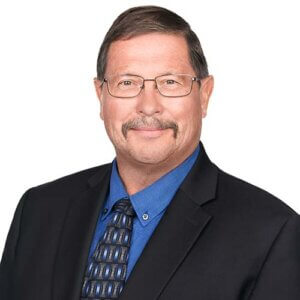
Scott Winslow, MCR&PC member
Fountain, Minnesota
Tell us about your farm: How long have you farmed, what do you grow, and who do you farm with?
Our farm is located about two and a half miles west of Fountain in Fillmore County. The farm was established in 1854, and I am the fifth generation. We raise corn and soybeans, contract-finish hogs, and have a small herd of beef cattle.
My son, Colin, and his wife, Ashley, have joined the operation, and my daughter, Katie, helps when needed. We purchased a separate farm, and Katie purchased a small part of that to start a vineyard with her husband, Nathan.
What do you like about farming? What do you find to be the most challenging aspects of it?
What I love about farming is getting to do something different every day, being out in the fresh air and the quiet, and being able to look out and see the stars at night. I love the country, and I love the country life.
The most challenging part are government regulations we deal with and pressure from some activists to implement practices that aren’t realistic for modern society. We can’t go back to old farming methods in order to sustainably feed the world.
Why is it important to you to participate in the MCR&PC?
The Minnesota Corn Research & Promotion Council does such important work supporting research that increases on-farm sustainability and collaborating with folks who speak out for agriculture. Through the corn check-off, we fund university-level, on-farm research projects that increase nutrient use efficiency and explore new uses for corn, ethanol, and ethanol co-products. While some folks think we might run out of corn, we always grow enough, so it’s important to find new uses. It’s important to be a part of this group and be a voice for agriculture.
Do you have particular issues or goals that interest you as a grower-leader?
It’s important that folks—from consumers to policymakers— have accurate information on agriculture. Farmers have a great story to tell, and we’re funding efforts to tell this story through our work on the council. My goal is to work with corn growers and other commodity groups to inform the public about agriculture while keeping farmers aware about these efforts.
Who has inspired you by their example? What did you find inspiring about them?
MCR&PC Past Chair Doug Albin and longtime former Minnesota Farm Bureau President Kevin Paap come to mind. They are not afraid to speak up, dig in, work with people, and lead the charge on a lot of our issues.
What do you like to do with your free time?
I don’t have a real hobby, but we do like to go for rides and see things around the area. I take a small vacation once a year. I don’t get off the farm much, but I do like to travel around Minnesota. I enjoy being on boards and have served on a lot of them over the years. I enjoy my family. I also make wine. My daughter maybe was a little inspired by that.
What is something you think might surprise the average consumer about farming?
There are a lot of things that might surprise people, from the many uses of field corn to the care farmers take in raising their livestock. I take great care in raising my pigs. I keep the pig barn warmer than my own house! We set the thermostat at 80 degrees for the little pigs, and then the mid-size hogs have it at 72 degrees to be comfortable in there.
People might also be surprised to learn that most of the corn you see driving down the highway isn’t the sweet corn we find in the grocery store but field corn. They might also be surprised that about 98% of farms in Minnesota are family run. Also, the hours farmers spent on their work and the money we spend on our operations might surprise folks. When we tell somebody who doesn’t farm that a combine costs a half-million dollars, they are like, ‘What! Why?’ It’s important for people who don’t spend time around farming to get a more complete picture of what we do.