Catching up with the Council: Chad Willis
The Minnesota Corn Research & Promotion Council (MCR&PC), which oversees the Minnesota corn check-off, is led by 11 grower-leaders from across the state with a wide range of backgrounds and experiences. In our “Catching up with the Council” interview series, we’ll learn about their farms, work with Minnesota Corn, and thoughts on agriculture. Interviews for the project are by Jonathan Eisenthal.
Chad Willis, MCR&PC member
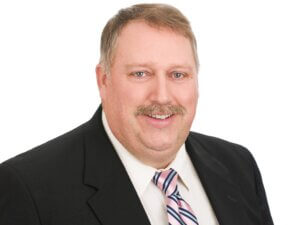
Willmar, Minnesota
Tell us about your farm: How long have you farmed, what do you grow, and who do you farm with?
I farm near Willmar with my wife, Krista, on what was her family’s farm growing up. We have a corn and soybean rotation. Krista’s dad helps, but not as much as he gets older. As I lose some of his time, I am trying to phase in my daughter Amber’s husband, Justin, who did not grow up farming but shows a lot of interest and is willing to learn. Justin’s a mechanic by trade, so it’s nice to have that aptitude when you come into farming. Amber works for AgCountry Farm Credit Services, and this last fall, she ran grain cart during harvest while Krista combined and Justin and I hauled the grain.
Krista’s family has always been in farming, but she worked in retail management in the first few years when we were starting farming. I’m originally from Marietta, Minnesota, a few miles from South Dakota. We helped my dad file for ‘Century Farm’ status a few years back. That farm has been in the Willis family for 134 years.
How does what you do as a crop farmer affect the average consumer?
What I do as a crop farmer allows the average consumer to have a different job, to work in town and not have to grow their own food. We grow the food so the population that’s not involved in farming can eat and carry on with all the kinds of work that they do.
How do you feel about being a crop farmer?
I feel good about being a farmer. We provide food and fuel, not only for the U.S. but for the world. It’s a great way of life to have a farm and raise a family here. In this occupation, you are your own boss. It’s great to raise a family in farming because they see what goes into raising crops, and they get a sense of what’s needed to feed and fuel the world.
What crop protection products do you use on your farm, and why are they important?
We use a variety of technologies. When I grew up, before we had weed killers, we were out walking bean fields or cultivating to remove weeds—running our equipment over it another pass or two, using diesel fuel to run the equipment. With the onset of modern-day chemicals, we have been able eliminate trips over the field, reducing emissions from the tractors. This allows us to have a smaller carbon footprint.
A significant amount of Minnesota-grown corn is exported, and Minnesota Corn allocates resources each year to develop these international markets. Why are these markets important to the public here in Minnesota?
Without the international markets, our farmers wouldn’t do as well financially. Currently, about one-third of our crops in the state of Minnesota are exported. When farmers make money, they spend it in the rural communities of the state, and they pay taxes. Profitability is part of sustainability, and when the farmer’s economic outlook is good, it’s good for the state economy.
As a farmer, I like to see exports not just of the corn kernel itself, but of ethanol and protein products that come from the grain. That captures more value for local business. The more processing you do here, the more the state benefits. That’s why I have always been a big promoter of exports. When we export ethanol and distillers grains, that helps the profits of ethanol producers and that helps the farmers. With increasing interest in sustainable aviation fuel, ethanol has a good future use in Minnesota, despite the trend towards electrification of cars.
Who has inspired you by their example? What did you find inspiring about them?
In the years I have been involved in Minnesota Corn, I would have to say my dad, Roger. I think about all the years he was on the school board—he was always involved in school or church leadership. He served on the township board. As time goes on, fewer and fewer people seem willing to do that, but he has stepped up. So, growing up I saw his example of being involved in your community. Now, when I go to talk to the kids at Ridgewater College, usually once a year, that’s the message I lead with. When you get out in the world, wherever you are, get involved in the community you are in.
How do you like to spend your free time? Do you have hobbies? Play a sport? Like to travel?
Grilling is my hobby. I’m honing my skills with brisket and the smoker, and I do a lot of pork shoulders and chicken wings. I’m always experimenting with new sauces and rubs. I like to support the production of the proteins that I grill.
The U.S. Grains Council made a traveler out of me, but really, I like to spend time at the lake cabin when things slow down. It’s only 15 minutes from home. With all the travel and meetings during the winter season, we don’t get out there much right now, so I haven’t been ice fishing lately, but I do want to take that up again.