Catching up with the Council: Rodney Moe
The Minnesota Corn Research & Promotion Council (MCR&PC), which oversees the Minnesota corn check-off, is led by 11 grower-leaders from across the state with a wide range of backgrounds and experiences. In our Catching up with the Council interview series, we’ll learn about their farms, work with Minnesota Corn, and thoughts on agriculture. Interviews for the project are by Jonathan Eisenthal.
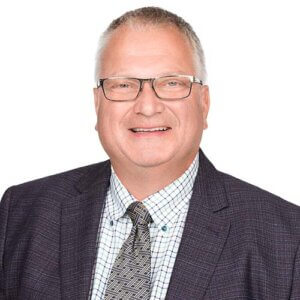
Rodney Moe, MCR&PC member
Waltham, Minnesota
Tell me about your farm.
I farm with my wife, Colleen, and my daughter, Rachel, whenever she comes home. She’s an ag teacher in Lamberton, Minnesota. She’ll come home every once in a while during the busy seasons to help out. We farm in the Hayfield, Minnesota-area, west of Rochester. We have corn and soybeans, and we also do some hay and small grains, and we raise some beef cattle.
What do you love about farming and what do you find to be the most challenging aspects of it?
It is nice to be able to have your family involved in your farm operation, and to be able to work together that way. On the flip side, marketing our products and the financial side of farming continue to be tougher and tougher. Things are getting more expensive. You just have to sharpen the pencils more and more all the time, it seems.
Why is it important to participate in Minnesota Corn?
I just think it’s important for people to get involved. I know for one of the meetings in our area, I was asked to come and speak. I didn’t really have a whole lot to say, other than, the MCGA membership forms are at the door, and just make sure that you either renew or become a new member, because the most important thing these days is to show up. You have to have representation. Whether in St. Paul or in Washington, numbers matter when you come to talk to elected officials. Those are the first questions they will ask us, “What does your organization do? What kind of membership do they have?” That’s what they are looking for, is numbers.
As a member of the Council, do you have any particular issues or areas of investment you are eager to see get more support from the farmer funding that the Council represents?
One thing a lot of people are really interested in and are watching to see what happens next is the whole Sustainable Aviation Fuel arena. Fifteen years ago, when I was involved on the Corn Growers side, it was a big deal. Now it’s getting a lot of attention once again, and I feel there are a lot more opportunities for farmer-produced energy. We have tremendous corn stocks in this country, that readily supply the existing animal feed industry, exports and fuel ethanol production, and SAF represents a vital new market, to assure that we don’t have an overlarge surplus, which then weighs down the prices we count on to keep our farms going. Between having Delta Airlines and other organizations that have expressed keen interest in SAF, Minnesota has a potential to be a leader in this arena. Minnesota was among the first states to adopt farmer-produced ethanol as a cleaner-burning fuel source.
You served as president of Minnesota Corn in 2008, and now you are serving on the Council. You have exposure to a lot of leaders and a lot of leadership styles. Has any one of these leaders provided inspiration, or taught you by their example?
One of the leaders of the organization at that time was Curt Watson, a farmer in Renville County who was vice president while I was president. He was a very forward-thinking individual, and I got a lot of information from him. We sat down and worked on a lot of issues. We didn’t always agree. Even today, he comes to mind from time to time when we are confronting challenging issues. He could be abrasive, but he communicated very well, and he was very persuasive. Everything he did showed his concern for the organization and for farmers as a whole.
How do you like to spend free time?
We like to travel when we can. It’s not weeks at a time, but just day trips or long weekends. We travel with our daughter and her significant other. We’re hockey fans, so we come up to the Twin Cities to see the Minnesota Wild, and sometimes the Gophers.
What is something about faring that might be surprising to the average consumer?
One aspect that’s not well understood is the dedication and the time and the capital the average farmer invests in the farm operation. At times when the corn prices are fairly strong, the consumer may think it’s an easy game to play. It’s so important for us to communicate, to help everyone kind of step into the farmer’s shoes, to see the day-to-day things that happen on the farm, in an ag business. There are a lot of challenges, and it takes know-how and working closely with a team of professionals to get it done.