USMEF elevates U.S. beef in Japan, South Korea
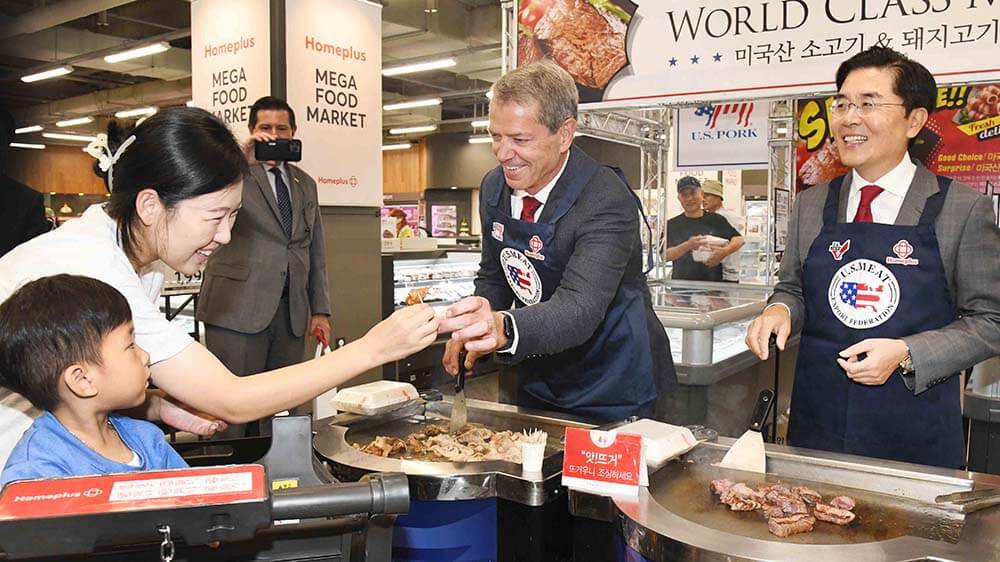
Demand for U.S. beef—and by extension U.S. corn—in two leading Asian markets continues to be strong, thanks in part to Minnesota Corn-supported programming by a national red meat export organization.
In the first 11 months of 2025, South Korea purchased $2 billion worth of U.S. beef and Japan purchased $1.6 billion worth of U.S. beef, according to USDA data. That was on par with purchase values from recent years. (Both countries typically purchase about $2 billion worth of U.S. beef annually, making them the biggest importers of the product.)
The robust figures are thanks in part to Minnesota Corn-supported educational and promotional programing in South Korean and Japan run by the U.S. Meat Export Federation (USMEF). Those programs include everything from influencer marketing events and social media promotions to meetings with regional distributors and assistance to restaurant chains seeking to incorporate U.S. red meat.
USMEF, which promotes U.S. beef, pork, and lamb worldwide, has officed out of Japan since 1977 and South Korea since 1991. In recent years, the organization helped U.S. exporters in both markets respond to bovine spongiform encephalopathy (BSE), setting the stage for a robust recovery in market share.
For years, Japan has been among the top two markets for U.S. beef. Minnesota Corn-supported USMEF programming has helped maintain that position through both partnerships with retailers and distributors and direct marketing to consumers. For example, the organization has worked to differentiate U.S. Choice meat from less expensive competitor product. It’s also hosted seminars to expand demand for U.S. red meat in new regions of the country.
The organization’s Japan office also maintains a robust social media presence, marketing U.S. beef and pork to consumers through ads and promotions. In December, it even sponsored an episode of a regional culinary TV show that highlighted local restaurants serving American beef products. During the episode, the hosts visited three restaurants that serve U.S. beef, sampling the fare and asking restaurant staff why they prefer American products. (“American beef is really tender and delicious,” one employee responded.)
In a blog post on the USMEF website, the organization’s foodservice manager in Japan, Masatoshi Takanashi, said the restaurants featured in the show saw a 10% year-over-year jump in customer numbers.
Robust growth in South Korea
Compared to Japan, South Korea is a bit of a different story in terms of beef exports. The country had always seen moderate demand for U.S. beef, but demand has really taken off over the past 10 years, with the country becoming the No.1 export market.
The increase has been driven by South Korea’s steady economic growth, said John Hinners, senior vice president of industry relations for USMEF.
In the years after BSE, USMEF helped rebuild trust among South Korean consumers in U.S. beef. Polling shows that consumer trust in the safety of U.S. beef has increased from less than 10% in 2008 to more than 70% today.
More recently, the organization has worked with producers of home meal replacement kits— which are extremely popular in South Korea—to incorporate more U.S. beef in their offerings. It’s also hosted U.S. beef roadshows, conducted workshops and seminars for importers, and partnered with e-commerce firms to promote U.S. beef.
Value to corn farmers
Hinners said USMEF, which is celebrating its 50th anniversary in 2026, is proud of its longstanding partnership with Minnesota Corn and farm organizations in the state. He noted that red meat exports play a critical role for corn farmers, accounting for approximately 14% of the value of each bushel in the U.S.
He also noted that commodity groups like Minnesota Corn play a key role in bolstering these markets through their participation in trade missions and meetings with importers and distributors. Those meetings help “put a face” on U.S. agriculture, he said, adding that “if we’re not there, our competition will be.”
Read more about USMEF and its work to develop red meat export markets at usmef.org.