MCGA, partners work to address high fertilizer prices
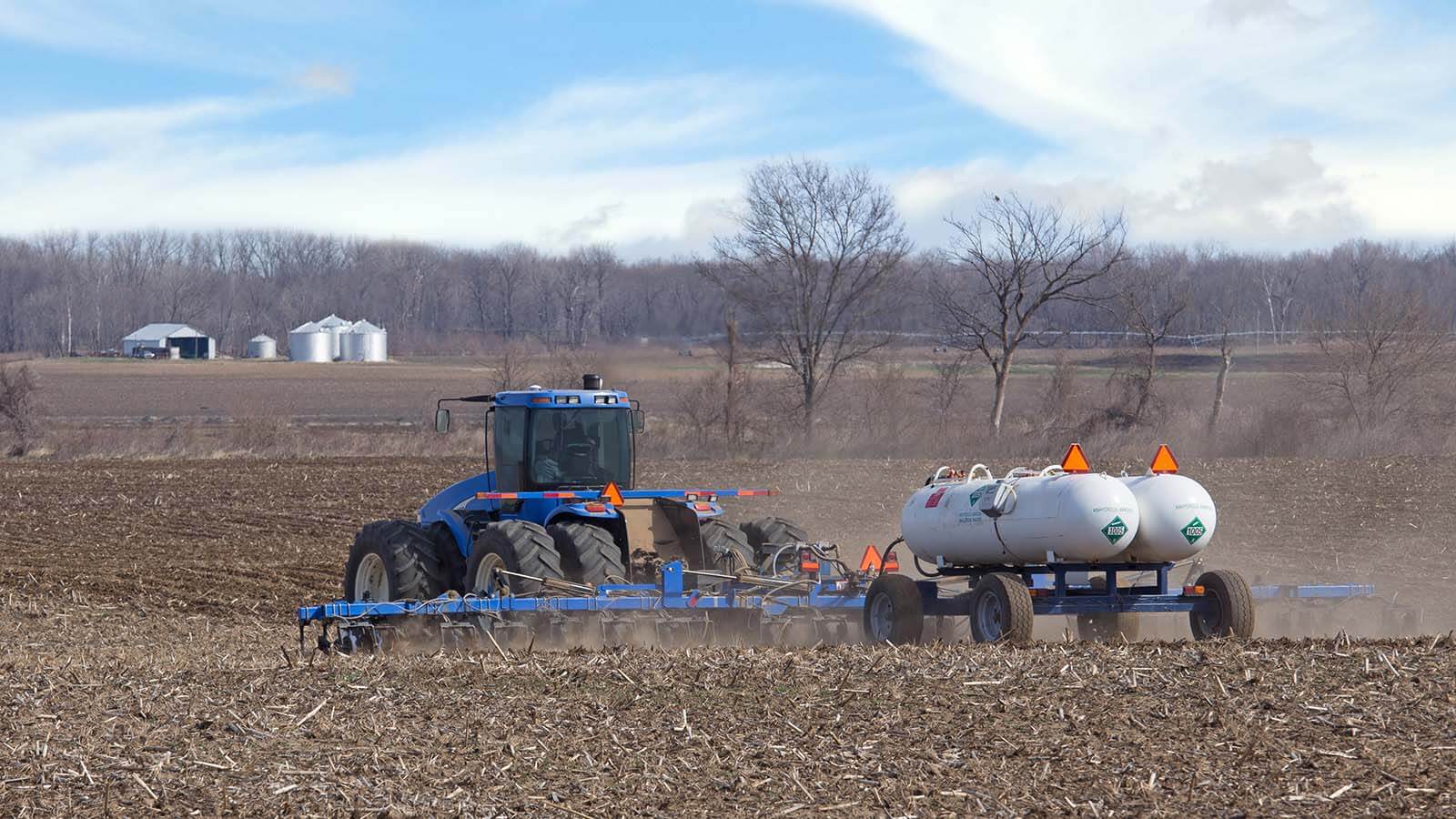
Corn farmers have been struggling with stubbornly high input prices for multiple years. The Middle East conflict with Iran has made the situation worse, particularly for fertilizer and diesel costs, but escalating costs for fertilizer occurred prior the start of the conflict, and corn farmers faced significant cost increases for fertilizer in 2021 and 2022.
There are no easy, short-term solutions to address fertilizer prices but the Minnesota Corn Growers Association is working closely with state corn associations and the National Corn Growers Association (NCGA) to lay the groundwork for legislative action to address the challenge in the long-term and mitigate future risk from global shocks.
On May 12, the U.S. Senate Committee on Agriculture, Nutrition, and Forestry held a hearing on “Perspectives on the Fertilizer Industry: Ensuring a Stable and Affordable Supply for American Producers.”
One of the witnesses, was Trent Kubik, President of South Dakota Corn Growers Association, who did an outstanding job representing the perspective of corn farmers in front of the committee. In his testimony he highlighted the market concentration that has occurred in the last 40 years, where four firms have a combined 75% market share for nitrogen fertilizer, one firm controls 70%-80% of the U.S. market for phosphate fertilizer, and for potash fertilizer, two major suppliers control 90%-100% of the U.S. market. According to Trent, “Vertical integration has not led to efficiency gains passed on to growers and consumers. Instead, our experience is that this integration has resulted in the largest fertilizer companies locking up and leveraging distribution channels, entrenching their dominant position, and extracting excessive, supracompetitive profits from farmers and consumers.” You can read Trent’s full testimony here.
Prior to the hearing, farmers and staff from nine states joined NCGA for a fertilizer focused fly-in. Over the course of a day and half, 14 meetings occurred with staff from offices whose members sit on the Senate Agriculture or Senate Judiciary committees. The meetings gave corn states and NCGA an opportunity to discuss how market consolidation in the fertilizer industry has hurt farmers and to highlight specific pieces of legislation that have been introduced to help address this problem in the long-term. Specific legislation highlighted included:
- Fertilizer Research Act (S.2808/H.R.6192)
- Fertilizer Transparency Act (S.4152/H.R.8104)
- Homegrown Fertilizer Act (S.4148/H.R. 8457)
- Lowering Input Costs for American Farmers Act (S.4418/H.R.8583)
The first four pieces of legislation are within the agriculture committee jurisdiction, and we are hopeful we can see some pieces included in the Senate Agriculture Committee farm bill in June. The last piece of legislation proposes to use Congressional authority to remove the Countervailing Duty (CVD) on phosphate fertilizer imports and would likely have the most near-term impact on address the pricing pressure farmers are currently under where the other legislation aims to address the current challenges in the near-term. It took several years to get to the current situation of the fertilizer market and will take several years to reverse course and increase competition in the market to give more options to farmers, but this is an area of focus for MCGA because we don’t wind to find ourselves in the exact same spot when there is the next global shock.