Practicing farm safety during COVID-19
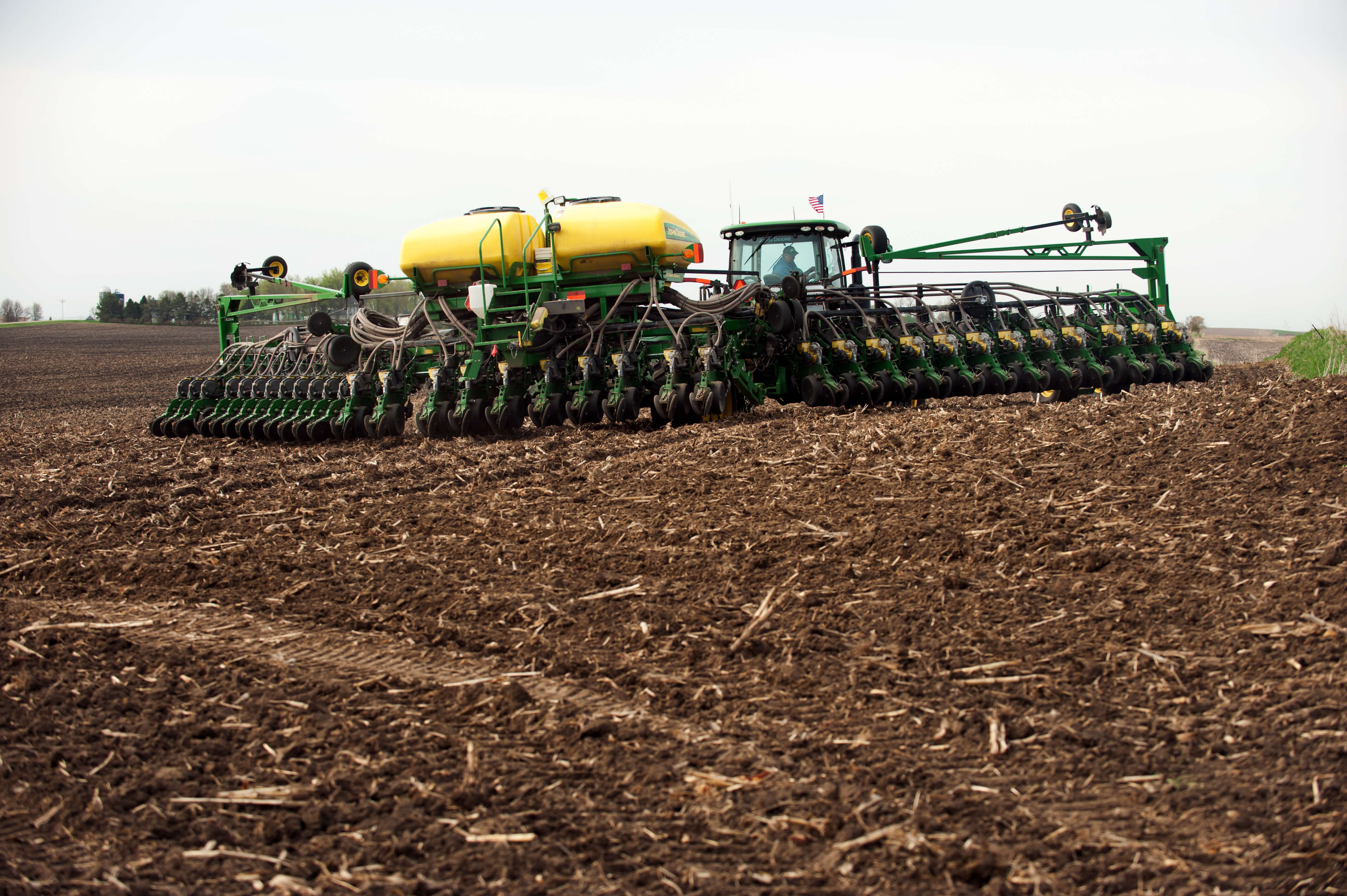
With spring planting near, the Upper Midwest Agricultural Safety and Health (UMASH) Center is again working to keep farmers happy and healthy this growing season, including helping farms navigate a never-before-seen health hazard in COVID-19.
In terms of common on-farm safety hazards, UMASH Outreach Coordinator Megan Schossow said roadway safety continues to be a major focus. Both drivers and farm machinery operators have a heightened risk on the road during planting, making it the perfect time to double check lighting on your tractor, especially around a “Slow Moving Vehicle” sign.
The riskiest maneuver for operators is the left-hand turn off the roadway, as drivers may be attempting to pass on a two-lane road. Schossow stresses the need to be mindful of spacing between cars and awareness when making a turn.
Preventing slips, trips and falls on the farm during planting sounds minor, but resulting injuries continue to be the leading cause of hospital visits for farm workers. Keeping three points of contact when climbing structures as well as preventing tripping hazards in the workshop are two simple ways to prevent injury. As hospitals respond to COVID-19, preventing minor hospital trips is especially important.
Also related to COVID-19, many family farms have kids out of school and at home due to the state’s stay-at-home order. Schossow recommends outlining the do’s and don’ts for little ones during planting and designate a plan to always be vigilant of where they are playing. The National Children’s Center for Rural and Agricultural Health and Safety put together helpful guidance for parents at home.
Schossow strongly recommends farmers keep children out of farm equipment unless there is a seat and seatbelt available for a passenger. Having a child on your lap in the tractor, for example, can often result in tragedy.
UMASH has put together a COVID-19 page for ag producers, which includes resources to keep family members and workers safe during the pandemic. Schossow said UMASH is asking all farmers to follow CDC guidelines, including social distancing, even if your community has not had a COVID-19 diagnosis. UMASH is also promoting safe hygiene practices, including having a designated space to change out of and keep work clothes to prevent spread. You can read additional information on infection prevention from UMASH here.
Farmers are also asked to keep only the bare minimum amount of respirators and donate the rest to their local hospital where health care professionals are in desperate need. UMASH has guidance on alternative options for N95 masks here.
Finally, if a farmer does become ill from COVID-19, UMASH is recommending farmers have a contingency plan in place to keep operations running. The National Corn Growers Association recently released information highlighting what farmers should keep in mind when putting together a contingency plan.