Farmamerica virtual tours continue to connect students to agriculture’s evolution
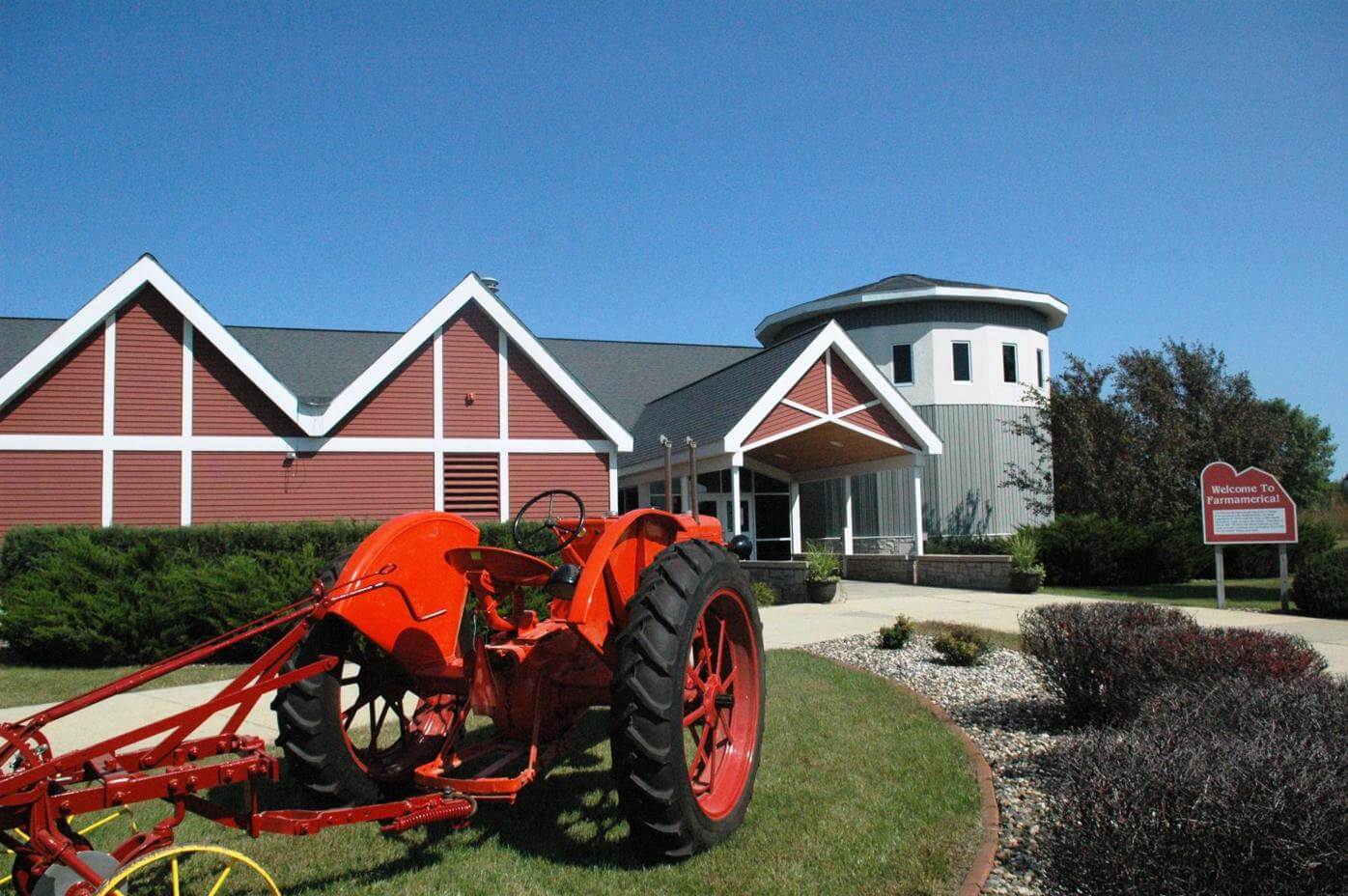
Farmamerica hosts more than 2,000 students each school year at its 360-acre site for tours showcasing the evolution of agriculture. With the COVID-19 pandemic putting field trips on hold at surrounding schools, the Waseca-based learning center moved their tours to the online world with the potential to reach more students than ever before.
The pivot to the online world began in the spring with the arrival of COVID-19. Farmamerica released online videos utilizing Farmamerica’s historical sites to showcase what life was like in the 1850’s and 1930’s at home, in schools and on the farm. Farmamerica guides viewers through each stop sharing the facts students would hear during the typical in-person tour. You can view each video here.
Farmamerica Program Director Samantha Meyer said a focus in each video was to not only show what life used to be like on the farm, but also show how that compares to today.
“We might have laptops today, but how did people communicate in the 1930s… We wanted to do a lot of comparisons in these videos to highlight how life has evolved,” Meyer said.
Soon after they were released last year, Meyer said teachers began using them in their curriculum to supplement a historical subject. As classrooms continue to go virtual, Farmamerica Executive Director Jessica Rollins hopes the video tours continue to be an asset for educators and also open up the opportunity to reach classrooms they otherwise wouldn’t have.
“We hope these reach beyond our typical demographic, reaching people who are more than 90 minutes away or perhaps couldn’t afford busing,” she said. “They now have this online resource that they have access to from anywhere around the nation.”
Through their investment in the Minnesota corn check-off, the state’s corn farmers support Farmamerica and its mission to connect people to the evolution of agriculture. With fewer students having a connection to the farm, outreach encouraging discussion about agriculture with future generations is as important as ever.