The pros and cons of pre-plant, sidedress or split-applying nitrogen
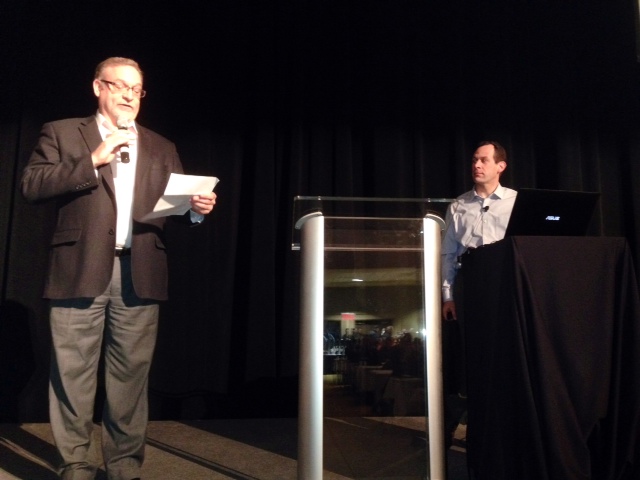
Dr. Fabian Fernandez. a nutrient management and water quality specialist at the University of Minnesota’s Department of Soil, Water and Climate spoke to more than 450 farmers and ag professionals at the 5th annual Minnesota Crop Nutrient Management conference on Tuesday in Mankato.
During his presentation, Fernandez offered insight into the pros and cons of pre-plant, sidedress and split applications of nitrogen (N).
Pre-plant
As long as Mother Nature cooperates, you only have to apply N one time if you apply it pre-plant. You also have less concern about injuring the crop and your N availability may increase in a dry year.
If it gets too wet after you apply, though, you will experience N loss and might have to re-apply.
Sidedress
When sidedressing N, you can manage how much you apply based on how much the crop needs and planting delays can be reduced. Think of it as “spoonfeeding” N.
However, your yield loss potential is greater if you don’t apply the necessary N in time. High clearance equipment is also necessary.
Split application
By split-applying N, you’re reducing the risk of potential loss and over-application by spreading it around. In irrigated fields, split application is the way to go.
But, split applications also require more trips into the field and more time. It may not be necessary.
Final thoughts
Dr. Fernandez said that in springs with low N loss potential, it really doesn’t matter which method you use. Pre-plant could work better. In wet springs, split or sidedressing N may be the way to go.
In sandy or poorly drained soils, sidedress or split applications have usually generated more positive results.
There will never be a one-size-fits all answer for managing N on farms. But farmers understand that it’s important to invest in research that focuses on N management. Reducing N loss is good for both a farmer’s bottom line, and the surrounding farm.
“When we’re talking about nitrogen management, we’re talking about risk management,” Dr. Fernandez said. “We can talk about producer risk. We can talk about environmental risk. The two really go together.”
To see the complete PowerPoint used by Dr. Fernandez during his presentation, click here.