How being a farmer is like being a parent
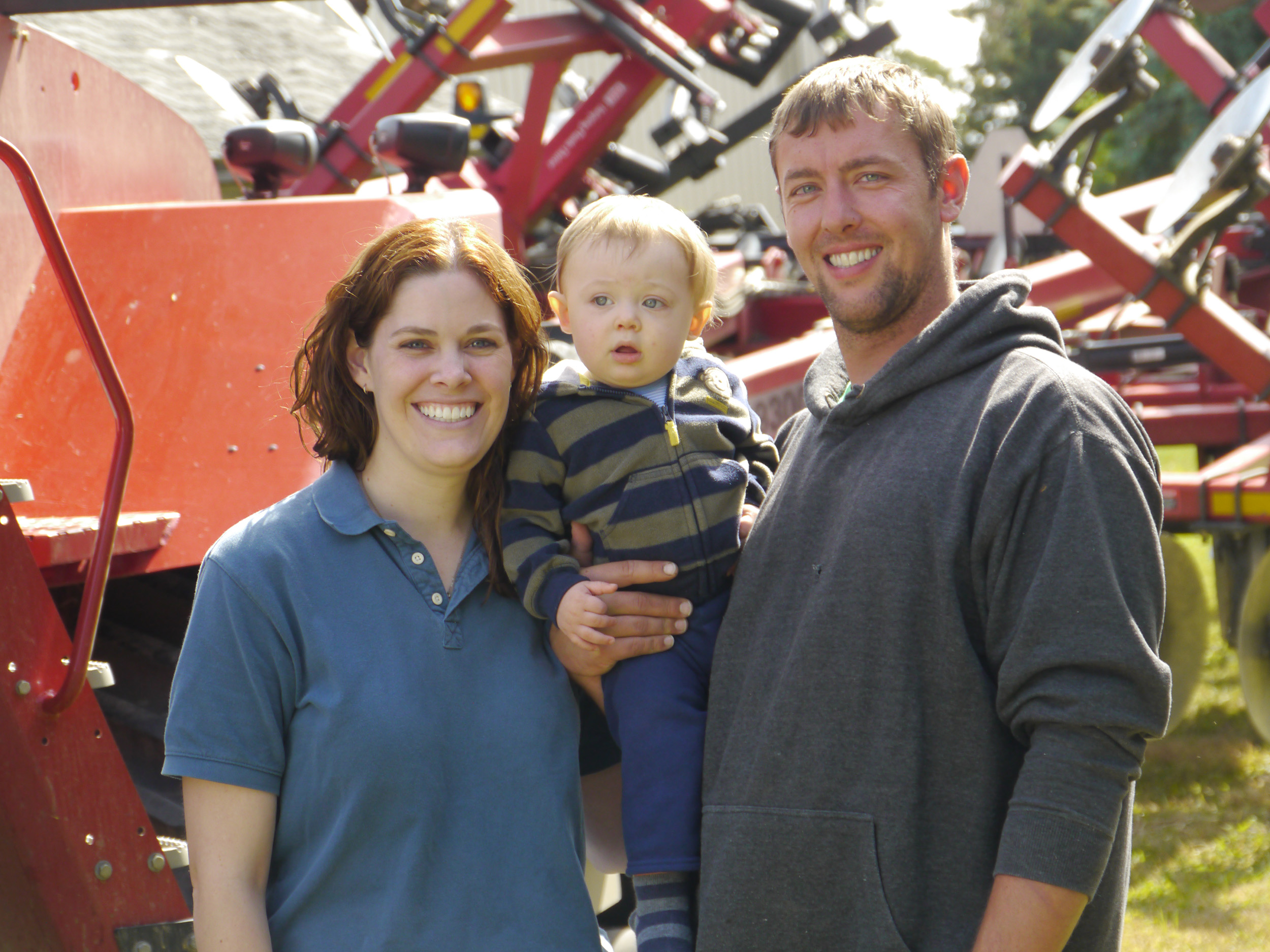
By Kristie Swenson
As a mom and as a farmer, I can draw many similarities between parenting and farming.
As a parent, you are no longer responsible for “just” yourself. You are responsible for another life (or multiple lives, when you have multiple kids). You’re not only responsible for feeding, bathing, and clothing your child; you are also responsible for teaching, explaining, demonstrating, and learning, among other responsibilities.
It’s similar with being a farmer. Livestock farmers are responsible for the lives of their animals, including food, shelter, water, and overall well-being. As a grain farmer, I am responsible for the health and well-being of my crops and land.
In parenting, there are LOTS of guidelines for the first few months and years of life. For example, how many ounces a baby should be drinking and how often; when a baby should start trying rice cereal, baby food, and “real” food; when a baby should be able to sit up, crawl, stand, and walk; etc. As a first-time mom, I looked forward to the “well-baby” visits and I like visiting with other parents to hear about their experiences — things that worked or didn’t work for them. I also looked at reference cards to make sure my son was getting the nutrition he needed and to know what to expect.
It’s similar as a farmer. There are guidelines for each crop – planting guidelines, fertilizer application guidelines, pesticide application guidelines, growth guidelines, harvest guidelines, etc. As a farmer, I enjoy visiting with agronomists, crop consultants, and other farmers who explain what they’ve tried and what’s working in their operations.
As a parent, I sometimes doubt myself. With all of the information, social media content, and parenting trends, it’s even easier to feel guilty or to doubt my parenting skills. Sometimes, parents can get defensive about how we’re raising our kids. For example, someone who doesn’t have kids gives us unsolicited “advice” and we take it the wrong way. It’s pretty easy to form an opinion about someone’s parenting skills based on how a child is acting at a given moment in time.
Heck, I’ve done it! Prior to having my son, I thought, “MY kid won’t act that way!” more than once. Having a child has humbled me, and yes, I had the opportunity to be “that mom” when my son threw himself down in an aisle at a store because I told him he didn’t need a green plastic lawn chair. I now have more compassion for parents when their kids are acting up because I’ve been there.
It’s similar with being a farmer. It’s easy to form opinions about how farming “should” be done and to determine the “right” way to farm based on what we hear in the media. Sometimes, we farmers get defensive about how we’re running our farms, especially when non-farmers give us unsolicited “advice”. The average farmer is ill-prepared to counter attention-grabbing claims made by celebrities or large companies, but the average farmer is very smart about his or her operation and is likely willing to answer questions.
I appreciate it when people ask questions and share concerns. Honestly, sometimes standing up to defend the industry and the life I love feels like facing a firing squad; it feels like people take cheap shots and then hide behind screen names. It’s hurtful. My goal isn’t to convince anyone that I’m right; my goals are to increase understanding between farmers and consumers, and to better understand other points of view.
Like parenting, farming is a difficult job and it doesn’t come with directions. References, guidelines, yes; but in farming, as in parenting, experience tends to be the best teacher. Every farm, like every family, is different.
Farming, like parenting, is a truly personal responsibility. It’s not a job, it’s not a career path; it’s a lifestyle. In my opinion, if you want to be a good parent or a good farmer, you have to love what you do.
Kristie Swenson is a Minnesota family farmer and CommonGround volunteer. CommonGround is a joint project of NCGA and USB and their state affiliates. The program helps moms off the farm know how the moms on America’s farms grow and raise their food. Like CommonGround Minnesota on Facebook or visit FindOurCommonGround.com to learn more.