Unique conservation project uses cedar trees to stop streambank erosion
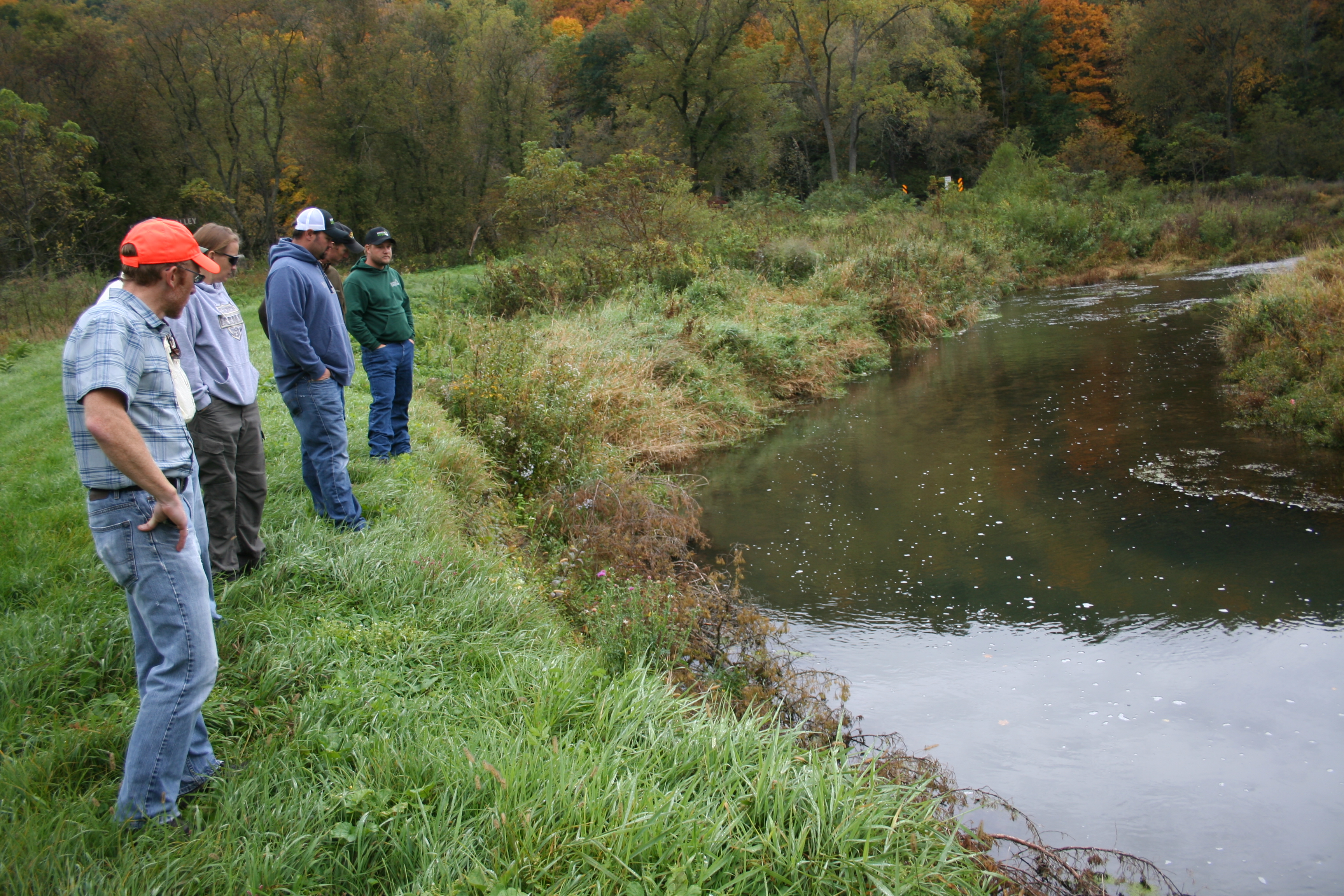
In an effort to help stabilize the stream bank and restore aquatic habitat in Riceford Creek in Houston County, the Minnesota Corn Growers Association is supporting a unique conservation project.
Researchers and work crews from Winona State University, The Nature Conservancy and Conservation Corps Minnesota are stacking red cedar trees along sections of the stream bank susceptible to erosion.
The trees help absorb a lot of the energy from the flowing water, slowing it down and creating areas where the water drops out sediment instead of carrying it away and eroding the bank. Over time, the bank will hopefully go from vertical to a more stable angle. This would allow natural vegetation to take over and stabilize the bank.
“This is an attempt to anchor the bank and stabilize it so the natural processes can do the rest of the work,” said Toby Dogwiler of Winona State University.
Similar to wood used on decks outside of homes, the red cedar trees are strong and naturally rot resistant.
“The cedar trees are just providing a roughness, a friction there that slows the velocity down along the bank so that sediment can fall off there and stay,” said Rich Stemper of the Root River Soil and Water Conservation District.
“It’s slowly narrowing up the stream,” said Richard Biske of the Nature Conservancy. “That’s good because a lot of the streams we have are overwidened. It’s a lot of flow and it’s eroding these banks.”
The project will also benefit trout, a popular fish species in the region that thrive in healthy streams. The faster flow should help prevent sand flats and cool the water. Trout do well in cool areas of streams with rocky, gravel bottoms.
“The bugs like the rocks and the trout like the bugs,” Dogwiler said.
Stream bank erosion can be traced back to upland sediments that made their way into our stream and river systems through the Dustbowl era. Today, that “legacy sediment” is being carried away downstream and negatively impacting water quality.
“We’re dealing with problems that were created back in the day, when nobody even knew they were creating the problem,” Biske said. “Then we identified the source, and, thanks to conservation practices, that’s mostly been solved. Now we got these legacy sediments. We gotta help the stream along with that.”
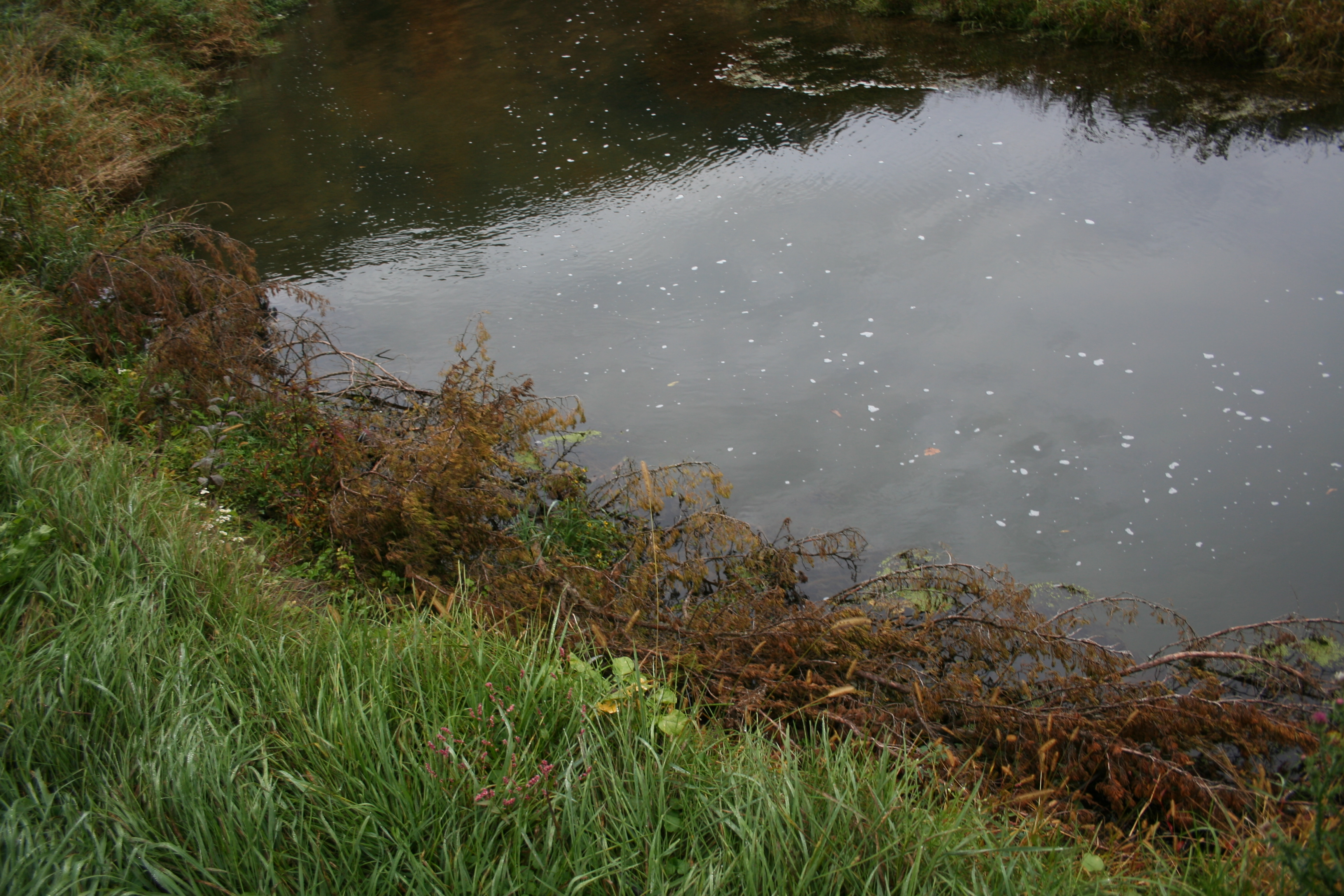
Using cedar trees (also known as cedar revetment) was relatively straightforward and inexpensive compared to many other stream erosion projects. It’s also a process that could be adopted by local soil and water conservation districts, who could then train farmers and other landowners to make similar efforts on streams that run through their property.
Using a method called the Bank Erosion Hazard Index (BEHI), Dogwiler and students from Winona State determined which sections of the Riceford Creek bank were at increased risk for erosion. That information was shared with Conservation Corp Minnesota, who went to work addressing the higher priority sections using red cedar trees from a farm six miles away.
In all, almost 3,200 feet of Riceford Creek stream bank has been treated since 2012.
“If it bears out over time, it’s a very economical approach,” Dogwiler said. “It’s easy and I think we can train people to do it easily.”