Preparing for the 2024 state legislative session
An update from Minnesota Corn Growers Association Senior Public Policy Director Amanda Bilek
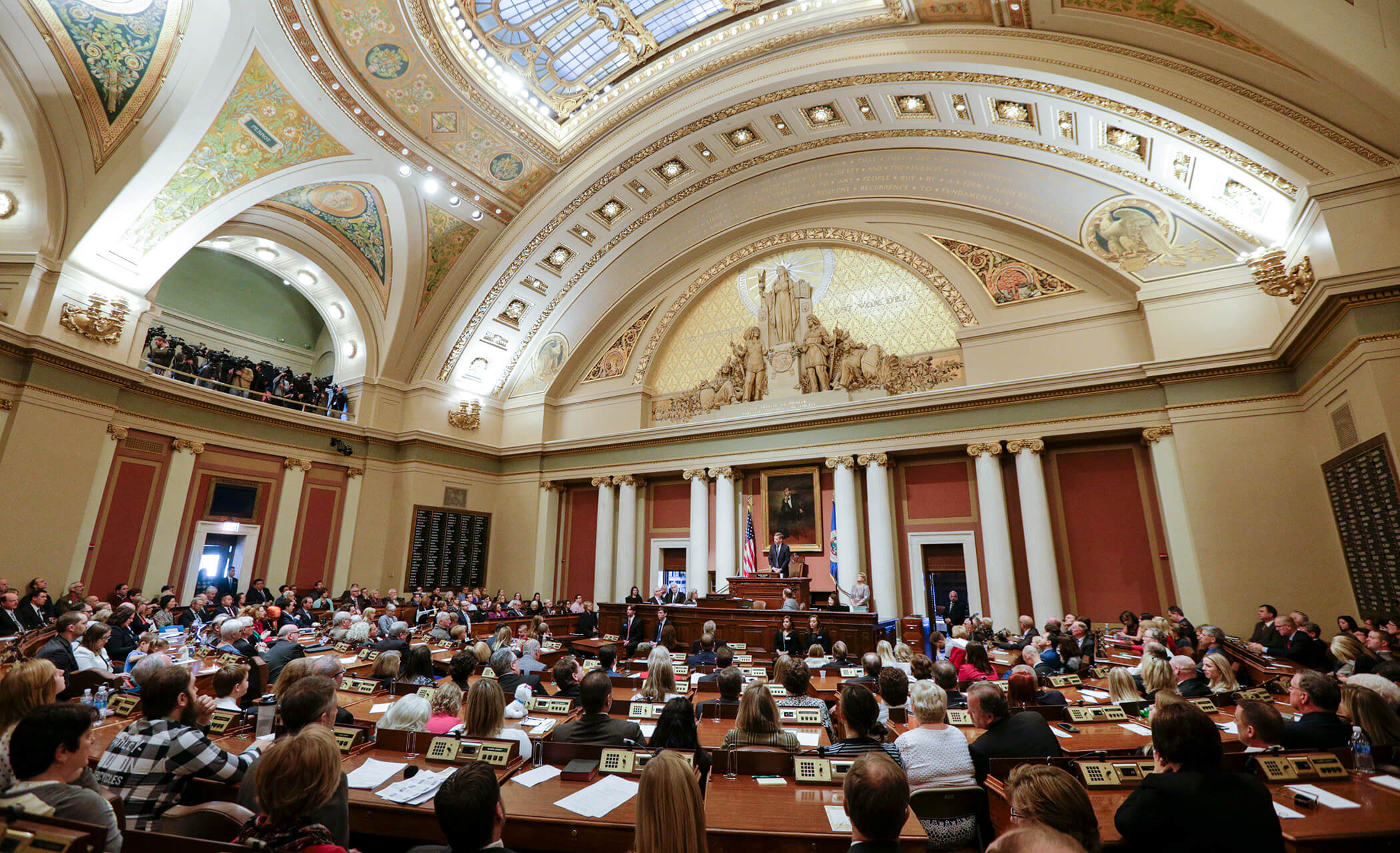
The Minnesota Legislature convenes on February 12 for a session in the second year of the biennium. Typically sessions in the even year of the biennium focus on capital investment (infrastructure), policy and a supplemental budget, since the odd year of the biennium is when a new two-year state budget is adopted.
Last session, the DFL controlled legislature adopted a general fund budget of $69.5 billion for FY 24/25 that took effect July 1, 2023 through June 30, 2025. For comparison, the state general fund budget for FY 23/24 was $52.4 billion. Going into the 2023 session a $17.5 billion surplus was forecasted. The longer-term budget outlook for the state has changed. To review what was included in the state budget for agriculture, you can refer to our wrap up post from last year.
In November, Minnesota Management and Budget offered an updated forecast. At the time, a $2.4 billion budget surplus was estimated for FY 24/25, due to higher-than-expected consumer spending and private business growth, but a projected deficit – or structural imbalance – of $2.3 billion looms in FY 26/27 meaning that the actual “surplus” is about $82 million. There will be an updated forecast in February and those are the figures legislators will use to determine what could be included in a supplemental budget.
Setting aside the state budget, a significant priority for the 2024 session is passing a capital investment or infrastructure bill. Typically these infrastructure projects are financed using bonds or borrowing. In January, Governor Walz proposed a $982 million capital investment bill with almost half of the proposed projects targeted at improving existing state infrastructure of building maintenance and upkeep. More details on the Governor’s capital investment proposal are available here.
The other major focus of the 2024 legislative session will be policy proposals, but given the tight budget situation, policy proposals that cost money or require new state agency staff time will have a difficult time securing final adoption. However, despite the tight budget we fully expect a very active early session committee schedule to hear and vet proposals for inclusion in omnibus bills, even if only a small number end up being adopted. Finally, given the short session – convene February 12 and adjourn May 20 – the deadline for when policy bills need to move through the necessary committees in each body is March 22 and the finance deadline is April 19. As a reminder, committee deadlines do not apply to Capital Investment, Ways & Means, Taxes or Rules and Legislative Administration.
The Omnibus Finance and Policy bills passed last session included numerous agency rulemaking efforts, working group reports and legislative reports on various topics. These working group and legislative reports will be presented in committee hearings and influence policy discussions. A couple examples which have an impact on corn farmers:
- Minnesota Department of Transportation, Clean Transportation Standard (Low Carbon Fuel Standard) working group report.
- Minnesota Pollution Control Agency, Preventing fish kills in Minnesota’s driftless region.
- Minnesota Department of Agriculture, Biofuels Infrastructure Grant.
- Minnesota Department of Agriculture, Soil Health Financial Assistance Program.
Overlaying all of the budget and policy discussions is the November election. Seats in the Minnesota Senate will not be on the November ballot (unless there are special elections) but all 134 Minnesota House seats are up for re-election, which will be top of mind for members as they navigate the 2024 session.
I plan to do weekly updates throughout the 2024 Legislative session. Next week’s update will focus on 2024 policy priorities for the Minnesota Corn Growers Association.