Clock ticking on ‘legislative days’ left
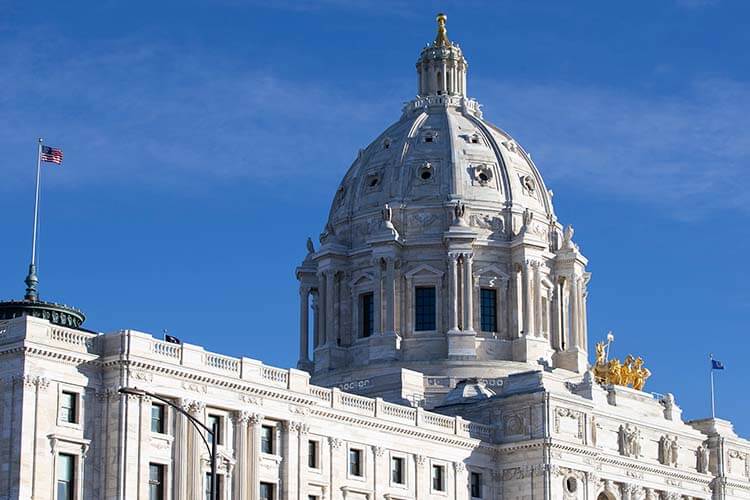
By Amanda Bilek
Minnesota Corn Sr. Public Policy Director
Although the Minnesota Constitution allows the Legislature to meet until May 20 this year, legislators are quickly running out of “legislative days” to complete their work. The Constitution also specifies that the Legislature can meet no more than 120 legislative days during each biennium. We are in the second year of the biennium; and when you count the number of floor sessions in the House and Senate last year and this year, as of May 6 there are only seven legislative days left even though there are 12 days until adjournment.
In today’s update, I want to review where bills currently stand as we head into the final days of session. Be sure to read my last update which covered omnibus bill season and sets the stage for today’s update. The long floor sessions have continued the last couple of weeks as House and Senate members worked to pass those bills off the floor for the purpose of appointing a conference committee to reconcile differences between the House and Senate.
The supplemental finance appropriation bill for agriculture was combined with supplemental finance bills for energy and commerce. SF 4942 passed the Senate on May 6 on a vote of 36-30 and if the agriculture bill had not been combined with energy and commerce, the bipartisan vote count would likely have been higher. No amendments were offered on the agriculture portion of the bill.
Provisions that we have been tracking or working on closely this year include the Senate agriculture position for $3 million to the Departments of Agriculture and Health for private well mitigation efforts in response to the EPA Southeast Minnesota nitrate petition, a 10-year extension of the Agriculture Fertilizer Research & Education Council, and additional funding for the popular Department of Agriculture soil health financial assistance program. The House is scheduled to take up the supplemental agriculture, energy and commerce finance bill on Thursday, May 9. There are differences between the two bills and a conference committee will be appointed to reconcile those differences before sending a final bill to the Governor.
As of today, both the House and Senate have passed their supplemental finance bills for environment. The environment bill was not combined with any other jurisdictions and is a stand-alone bill. We anticipate a conference committee will be appointed later this week. There are a number of concerning provisions in the House version of the environment bill including an entire article that deals with agriculture statutes and proposes to add a number of definitions related to pesticides that were rejected last year during conference committee negotiations on the omnibus agriculture two-year budget bill. Other concerns include a change to the public waters statute that would designate any water that meets the statutory definition as a “public water” and subject it to all the regulatory requirements that come with a public water designation. The House bill also contains a proposed ban on planting corn, which limits sources of food for wildlife, on state-owned land; as well as a new real estate disclosure for private drain tile.
Both the House and Senate have also passed a finance bill for constitutionally dedicated legacy dollars including the Clean Water Fund. There are some differences between the House and Senate and a conference committee has been appointed. However, a Senate amendment last Friday made changes to the Clean Water Fund appropriations to match House appropriations including:
- $1,000,000 for MDA for continued research and demonstration in partnership with extension for best management practices to avoid nitrogen loss;
- $3,402,000 for the AgBMP Loan Program, $3,000,000 of which will be directed toward Southeast Minnesota;
- $2,790,000 for MDH for well testing, well inventory and education for Southeast Minnesota;
- $2,000,000 is for MPCA for a continuous nitrate monitoring system; and
- $1,000,000 for easements around groundwater supply areas with priority in drinking water supply management areas.
Following the Senate amendment to the Clean Water Fund appropriations, we anticipate the conference committee will quickly resolve the remaining differences.
Once the Legislature officially adjourns and closes the books on the current biennium, we will provide a detailed summary of what made in the final bills and hopefully concerning provisions fall by the wayside during conference committee negotiations.