Minnesota 4-H Agronomy and Horticulture Program connects youth to agriculture
Written by Lauren Funk
For students in the University of Minnesota Extension 4-H Agronomy and Horticulture Program, every meeting brings a new opportunity to learn and grow in the world of agriculture. All Minnesota students, primarily those between the ages of 5-19, are encouraged to join the out-of-school program to experience hands-on collaborative learning. Subjects covered in the program include science, agriculture, photography, civic engagement and healthy living.
In 2018, Minnesota 4-H had the goal of connecting students to agriculture in a new, exciting way, and, thanks to funding from the Minnesota Corn Growers Association (MCGA), that hope became reality.
Brian McNeill, 4-H Extension educator, said he’s thankful for MCGA and their involvement in the program. (Last year, MCGA was honored with the Friend of 4-H Award.)
“It’s great that the Corn Growers have seen what we’re doing and get excited about the opportunities we are giving to young people,” McNeill said. “And I think that’s fun to be able to connect with an organization like that and work together to get those young people excited about agronomy or just excited about growing something.”
In recent years, 4-H has expanded its reach even further by incorporating virtual engagements. For instance, in 2020 alone, 4-H reached nearly 1,500 youth during a 17-week virtual learning summer series.
The program was designed to introduce students to agriculture at a young age and then continue to increase their level of involvement as they grow older.
“They always get to see the layers ahead, whether that be agronomy tours, agriculture and campus immersions, agriculture ambassadors, or even crop scouting,” McNeill said.
[Learn more: Read about Minnesota Corn’s Distinguished Friend of Extension Award]
The challenging real-world experiences students are exposed to help them develop strong leadership and communication skills while giving them the support and encouragement needed to seek out and follow their passions.
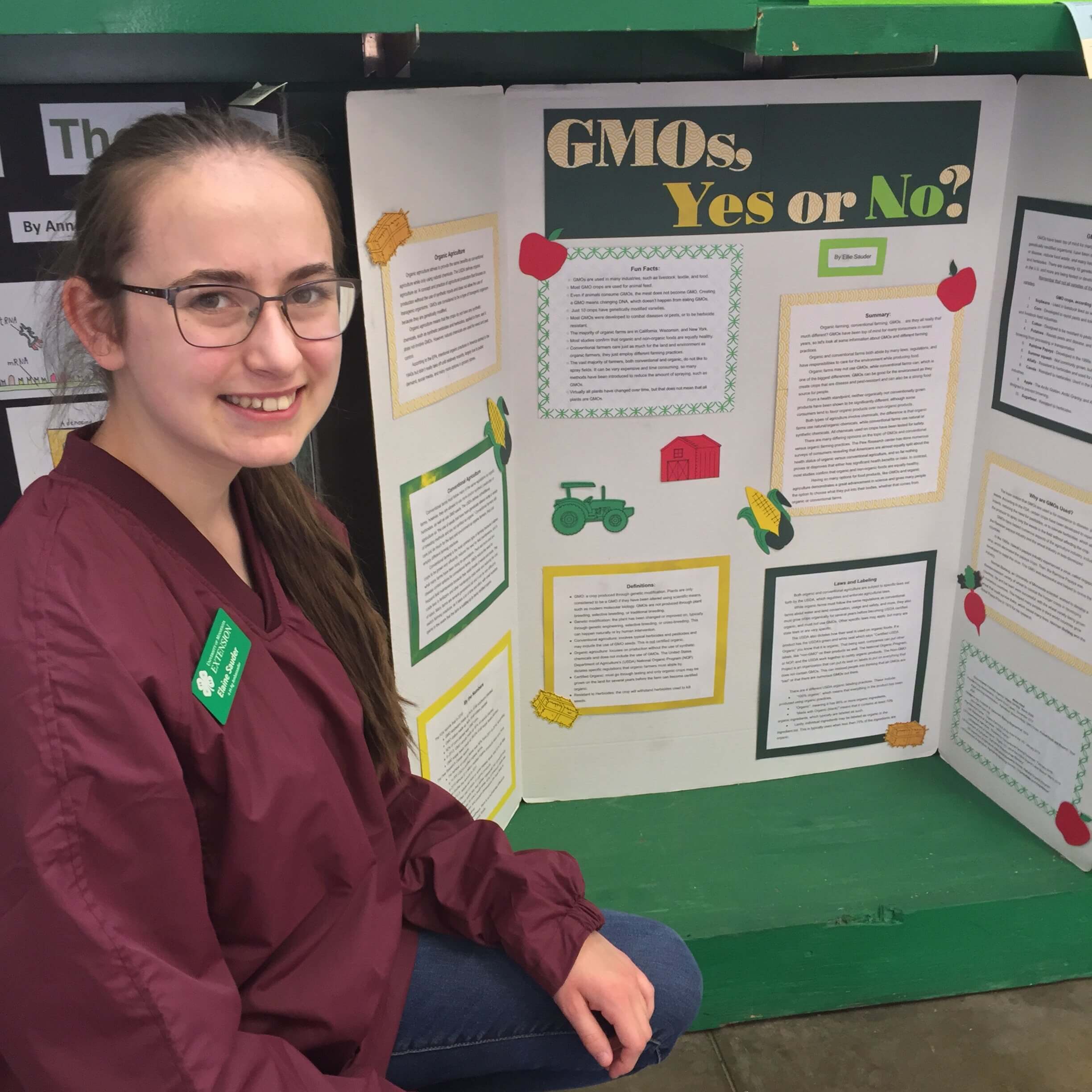
“4-H helps to build those skills in a welcoming environment where it’s okay to learn and mess up,” said Ellie Sauder, a current 4-H agriculture ambassador. “There’s not a lot of pressure but still a lot of expectation to do your best.”
The positive exposure the program gives students to agriculture is the reason why organizations like MCGA are so willing to offer their support.
“We need to keep teaching and telling our story as farmers to those who maybe haven’t been exposed to farming so that people have an understanding of where their food comes from,” said Jim Kanten, a farmer on the MCGA Board of Directors.
As the positive impact of the program continues to spread throughout Minnesota, other organizations are also looking for ways to help. The 4-H program recently received a four-year, $750,000 grant from USDA. McNeill explained how helpful these funds will be in supporting their initiative to continue developing the program statewide by hiring new staff, funding events and more.
“It is important to help inform the state of Minnesota that there’s more to agriculture than farmers in a straw hat holding a pitchfork,” said Kendra Blaschko, a current agriculture ambassador. “Agriculture really covers so many job opportunities in the world.”
Lauren Funk is a student at the University of Minnesota College of Food, Agriculture, and Natural Resource Sciences studying ag communications and marketing. She wrote this article for her Advanced Journalism and Persuasive Writing for Agriculture, Food, and Environmental Sciences course.