Farmers invest in their future
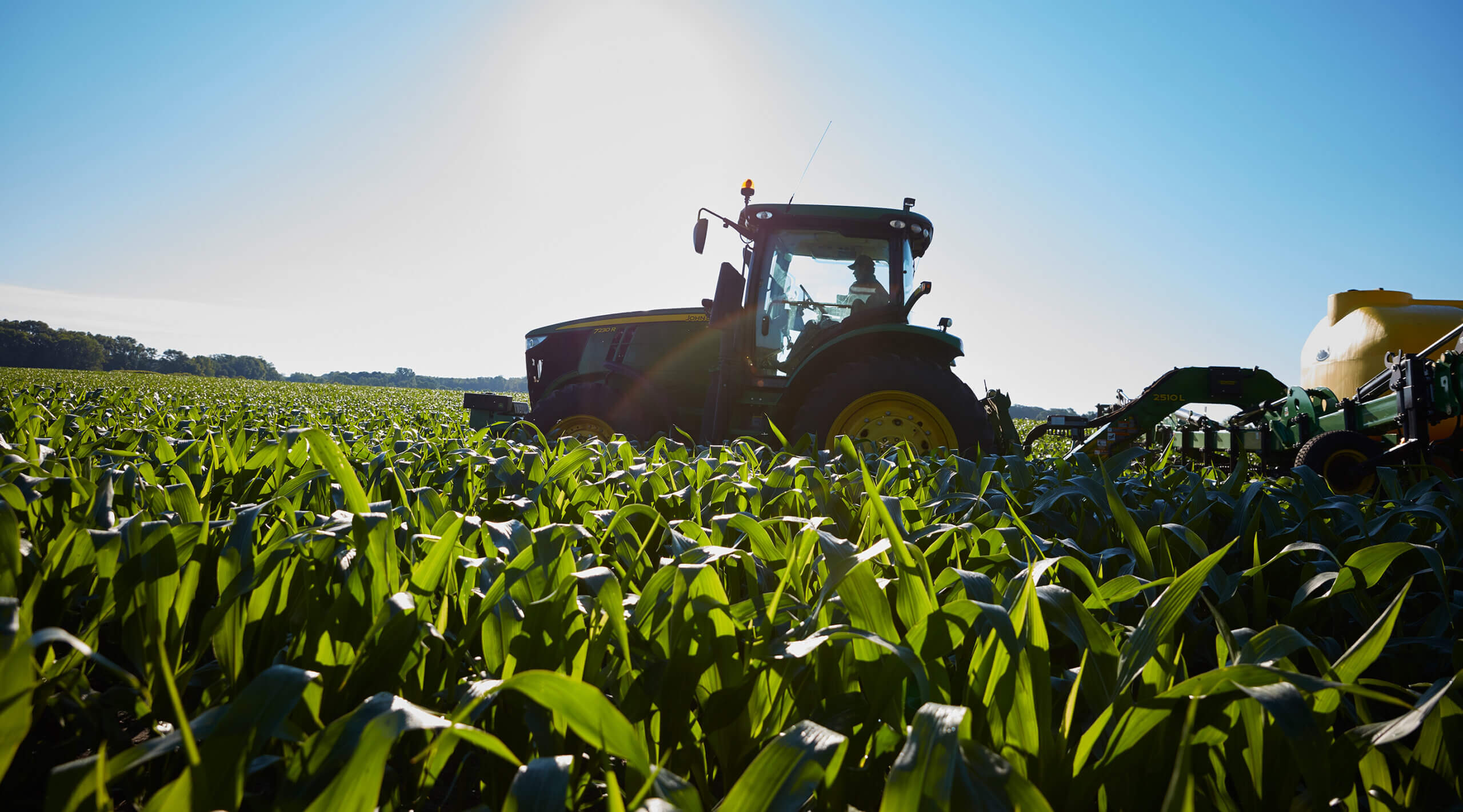
Each year, Minnesota Corn invests corn check-off funds in research to improve on-farm practices and identify new markets for corn. It’s part of our mission to promote opportunities for corn farmers while enhancing quality of life.
In 2022, Minnesota Corn is investing over $2 million in research projects. Nine projects are new; the other nine have been funded previously.
Like in past years, the 2022 project-selection process was primarily led by the Minnesota Corn Discovery & Development (D&D) Team. The team includes members of the Minnesota Corn Research & Promotion Council (MCR&PC) and the Minnesota Corn Growers Association (MCGA) board of directors.
Team members evaluated projects based on multiple factors. They included their novelty, how well they addressed Minnesota Corn’s research priorities, and the value they will provide to Minnesota corn farmers.
The following provides a rundown of the projects Minnesota Corn is funding in 2022. Visit mncorn.org/research to read progress reports from these projects, as well as summaries of research projects funded in previous years.
*Indicates newly funded project
Education
Supporting nutrient-management, water-quality education for corn farmers
Project lead: University of Minnesota Extension
Project overview: This project supports an Extension Educator position dedicated to these topics. The position is currently held by soil scientist Brad Carlson.
Why it matters: By funding water-quality and nutrient-management education, Minnesota Corn is helping ensure that farmers have the latest information when making stewardship decisions.
Helping corn farmers make the best nitrogen-management decisions
Project lead: Brad Carlson, University of Minnesota Extension
Project overview: This project supports the University of Minnesota Extension Nitrogen Smart Program. The program provides education on how nitrogen behaves in the environment. The goal is to help farmers make nutrient-management decisions that are best for their farms.
Nitrogen Smart is in its eighth year in 2022. The program includes a three-hour “fundamentals” course that features basic training on how nitrogen behaves in the environment. It also includes three “advanced” sessions. Those cover manure, the 4Rs of nutrient management and adapting nitrogen management to a changing climate. Minnesota Corn is also funding the development of an advanced Nitrogen Smart course focused on practices that reduce nitrate losses.
[Read more: Nitrogen Smart attendees report on-farm savings]
Nitrogen Smart is offered in person and online. Look for information about future in-person sessions at mncorn.org. Online sessions can be accessed at any time.
Why it matters: A better understanding of how nitrogen behaves in the environment can lead to more efficient use of nitrogen fertilizer. In turn, that can increase economic return and minimizing nitrogen losses.
Listen to Carlson discuss the Nitrogen Smart program on the Minnesota Corn Podcast
Expanded uses for corn
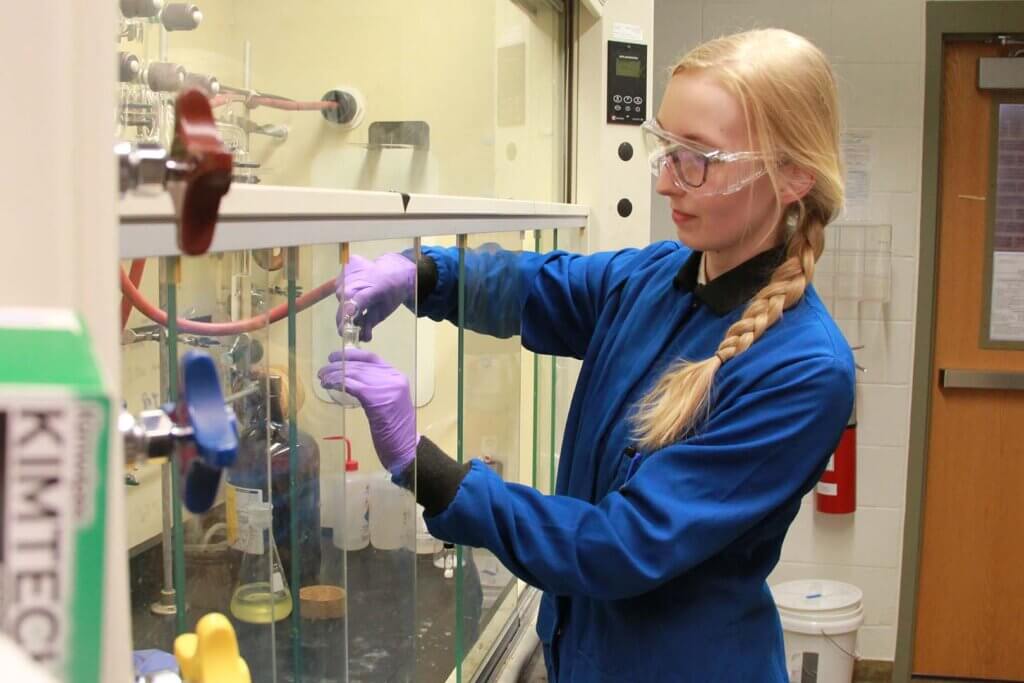
Developing corn-based polymers and bioplastics
Project lead: Marc Hillmyer, Center for Sustainable Polymers (CSP), University of Minnesota
Project overview: The project aims to improve existing corn-based plastics and to develop new corn-based materials. It consists of seven different research projects within CSP. Minnesota Corn has funded the slate of projects since 2019.
Why it matters: Improving existing corn-based products and developing new ones can create new markets for corn producers. It can also reduce greenhouse gas emissions, given that corn often replaces petroleum as a feedstock for plastic products and other polymers.
[Read more: CSP explores the chemistry of turning corn into space-age materials]
*Laying the groundwork for CO2 capture in ethanol plants
Project lead: Will Northrop, University of Minnesota
Project overview: The project will work to determine the energy and cost benefits of converting carbon dioxide emitted at ethanol plants into methanol and the synthetic fuel e-gasoline. Specifically, the research will focus on determining the energy requirements, capital costs and financial benefits of installing a CO2-to-fuel system. University of Minnesota researchers will collaborate with Chippewa Valley Ethanol Company on the work.
Why it matters: More effectively using CO2 emissions would reduce the carbon intensity of ethanol production.
*Assessing the potential of food-grade DDGs
Project lead: Jason Robinson, Agricultural Utilization Research Institute (AURI)
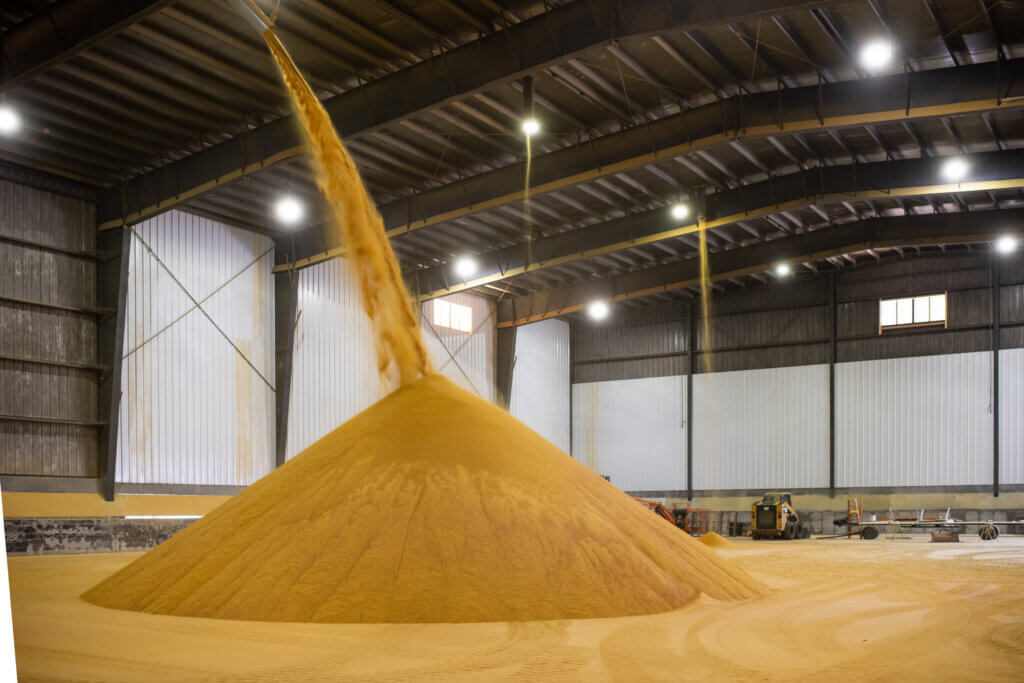
Project overview: This project will assess the practicality of converting dried distillers grains (DDGs), a byproduct of ethanol production used as animal feed, into a human food ingredient. The research is also looking to assess the potential market for food-grade DDGs. If such a process appears economically and technically feasible, the researchers will propose the next steps for commercializing the product.
Why it matters: Converting DDGs into a human food ingredient may increase the value of ethanol and corn.
*Evaluating fortified DDGs diets in weanling pigs
Project lead: Hans Stein, University of Illinois
Project overview: This research will test how weanling pigs fed high- protein corn co-products, such as DDGs, respond when their diets are supplemented with the amino acids isoleucine, tryptophan and valine. Specifically, it will evaluate how fast these pigs grow compared to pigs fed a control diet of corn and soybean meal, and how the experimental diets affect the pigs’ health.
DDGs and other high-protein corn co-products contain higher levels of the amino acid leucine, which creates a deficiency of isoleucine, tryptophan and valine and slows pig growth. By supplementing pigs’ diets with additional isoleucine, tryptophan and valine, the effects of higher leucine levels could be mitigated.
Why it matters: Ensuring the effectiveness of DDGs-based diets could increase the use of such diets. That could increase the value of ethanol co-products, providing an economic boost to corn farmers.

*Identifying the fatty acid profiles of corn inbred lines and hybrids
Project lead: Candice Hirsch, University of Minnesota
Project overview: This research will identify differences in the composition of oil and fat among different corn inbred lines and commercial hybrids.
Why it matters: Understanding the variation that exists in oil characteristics is an important step in determining the possibility of developing higher-value products, such as renewable food, fuel and plastics, Hirsch says.
*Analyzing the prospects of hydrogen derived from ethanol
Project lead: Luca Zullo, AURI
Project overview: Hydrogen has a variety of industrial uses, including as a component of sustainable aviation fuel, fuel cells and renewable diesel fuel. This project will assess the economic viability of ethanol-derived hydrogen and the technical capabilities needed for its production.
Why it matters: Creating another viable ethanol co-product could increase the value of the fuel.
*Evaluating the toxigenicity of aromatics in gasoline
Project lead: Shujun Liu and Leena Hilakivi-Clarke, The Hormel Institute, University of Minnesota/Steffen Mueller, Energy Resources Center, University of Illinois Chicago
Project overview: This research is exploring how the aromatic compounds added to fuel to boost octane, such as xylene and toluene, affect chemicals in the body that control gene expression. It will specifically study DNA and gene expression changes in animals and cell cultures that are exposed to aromatics found in gasoline.
Why it matters: If aromatics affect gene expression in a way that increases cancer risk, substituting ethanol as an octane booster would improve human health. It could also provide a boost to rural communities.
[Learn more: Listen to a discussion about the aromatics research on the Minnesota Corn Podcast]
Production stewardship
Helping farmers address water-quality issues
Project lead: Warren Formo, Minnesota Agricultural Water Resource Center (MAWRC)
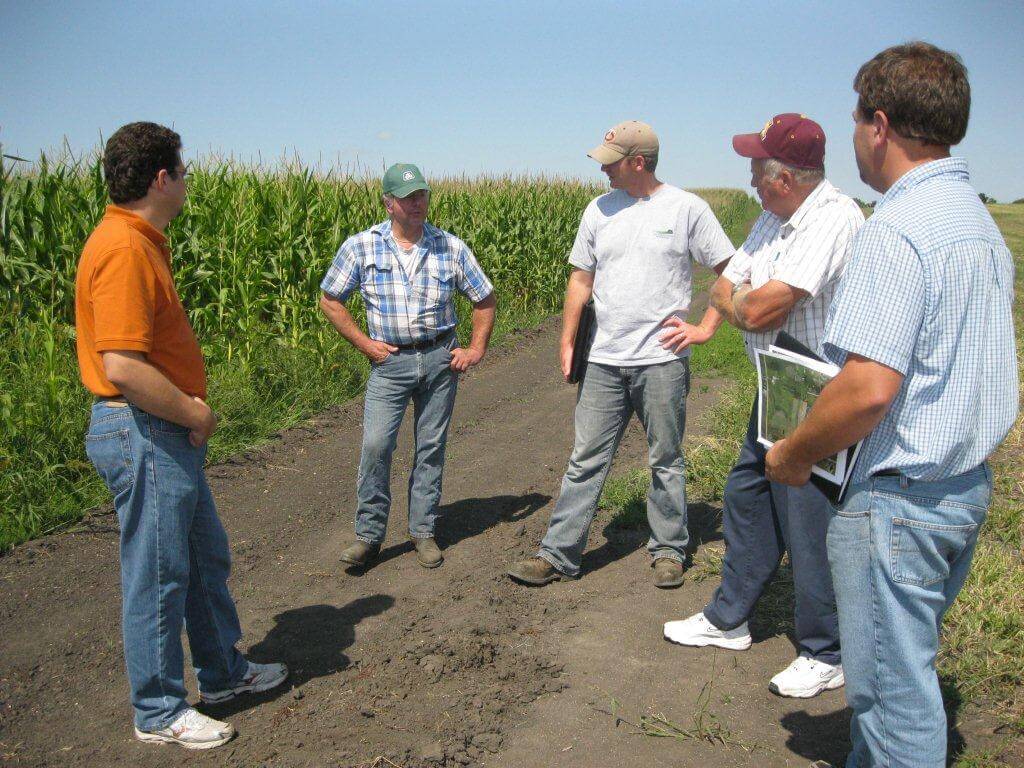
Project overview: This grant provides funding to MAWRC, a research and education organization dedicated to increasing awareness of water-related issues within the agricultural community. MAWRC also conducts outreach to inform the non-farming public about conservation efforts by Minnesota corn farmers. Additionally, the MAWRC-operated Discovery Farms program collects field-scale water-quality data from farms across the state, providing information that contributes to better farm management.
Why it matters: Increasing farmers’ knowledge of water-related issues can help improve profitability and sustainability.
[Read more: MAWRC makes the most of water on the farm]
Determining how nitrogen-fertilizer rates affect yield, environment
Project lead: Fabian Fernandez, University of Minnesota
Project overview: Fernandez is exploring how the application of nitrogen fertilizer at various rates affects grain yield, nitrate-leaching rates, nitrous oxide emissions and ammonia volatilization. The research is being conducted on tile-drain plots at the University of Minnesota Southwest Research and Outreach Center in Lamberton.
Why it matters: A better picture of the intersection between optimum nitrogen rates from economic and environmental perspectives could help farmers with nutrient-management decisions.
[More: Fernandez discusses his research on the Minnesota Corn Podcast]
Evaluating how an enzyme prevents bacterial infections in corn
Project lead: Mikael Elias, University of Minnesota
Project overview: This research will explore why the enzyme lactonase inhibits the capacity of the bacteria Clavibacter michiganensis subsp. nebraskensis (Cmn) to cause Goss’s wilt disease in corn, as a small-scale field experiment has discovered. Additionally, it will replicate the study on several mid-sized fields and evaluate whether lactonase inhibits the capacity of the bacteria Xanthomonas vasicola to cause bacterial leaf streak.
[More: Elias discusses his research on the Minnesota Corn Podcast]
Why it matters: The research could give farmers a more effective method of controlling bacterial infections in their crops, increasing yields and boosting profitability.
Determining conservation-practice effectiveness on a watershed scale
Project lead: Gary Feyereisen, USDA Agricultural Research Service
Project overview: This project aims to evaluate how the implementation of conservation practices on all cropland in a small watershed in southern Minnesota affects nutrient losses via runoff and tile drainage. This year, the researchers will continue monitoring water quality and quantity at the outlet of the watershed in which the conservation practices will be implemented to establish a baseline data portfolio.
[More: Feyereisen discusses his research on the Minnesota Corn Podcast]
The researchers will also continue to monitor water quality and quantity at an adjacent watershed that will serve as a control for the experiment. They expect conservation-practice implementation to begin in 2024.
Why it matters: Understanding how conservation practices affect nitrate leaching when implemented on a broader scale could help farmers determine when to implement the practices on their cropland.
Evaluating the prevalence of corn pests, diseases in Minnesota
Project lead: Anthony Hanson, University of Minnesota
Project overview: This research aims to continue efforts to identify where corn insect pests and diseases are prevalent in Minnesota. It includes expanding trap networks and on-farm surveys of insects and diseases.
Why it matters: Getting a broader look at the status of various corn pests across the state could help farmers when making pest-control decisions.
*Mitigating nitrogen losses during spring freeze/thaw
Project lead: Tim Griffis, University of Minnesota
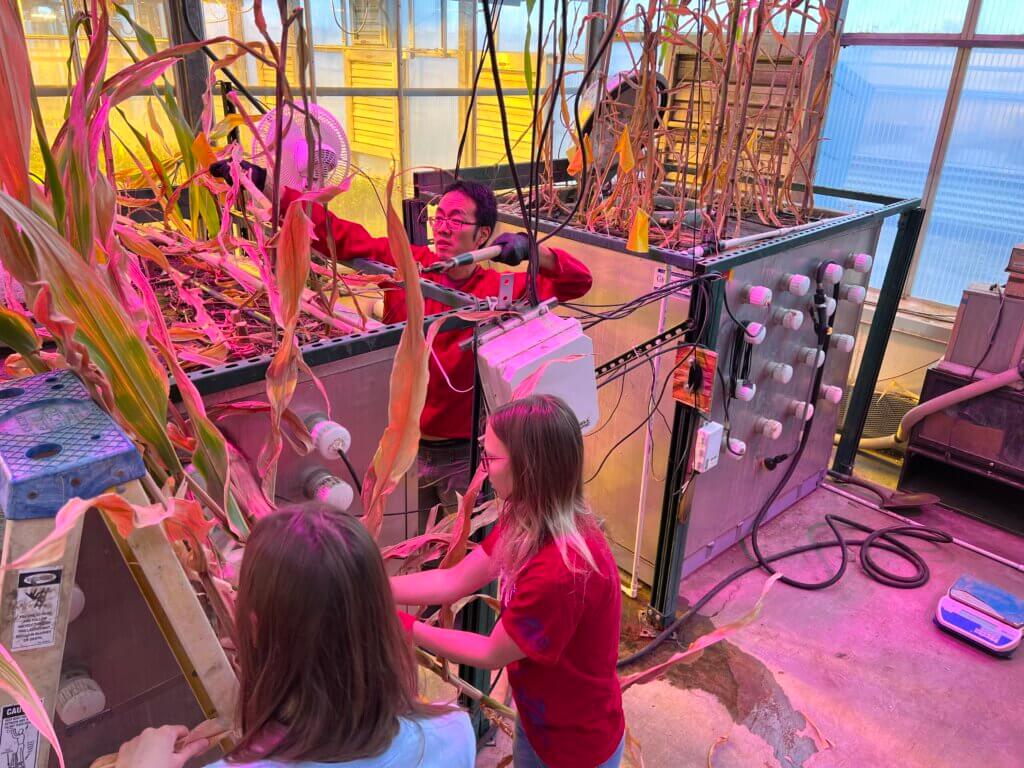
Project overview: This project is exploring how freeze-thaw cycles, the frequency of which are increasing, affect nitrogen losses on cropland. In a controlled growing environment, researchers are studying how a winter rye cover crop affects the frequency of freeze-thaw cycles and nitrogen losses caused by such cycles. Additionally, they are studying how enhanced efficiency fertilizers affect reactive nitrogen losses.
Why it matters: Research shows that 35% of annual nitrous oxide emissions occur during the spring freeze-thaw period. By gaining a better understanding of effective strategies to reduce nitrogen losses during this period, corn farming could be made more efficient and sustainable.
*Determining how nitrogen, irrigation rates affect leeching, yield
Project lead: Vasudha Sharma, University of Minnesota
Project overview: This project is studying how irrigating and applying nitrogen fertilizer at variable rates in different parts of a field, depending on soil-data measurements, compares to irrigating and applying nitrogen fertilizer at uniform rates. It’s being conducted in the Central Sands Region of Minnesota, where irrigation helps ensure the productivity of row-crop agriculture due to the low water-holding capacity of soils there.
[Read more: Research aims to add precision to irrigation]
Researchers will measure how variable-rate application compares to uniform application in terms of nitrate leaching, plant growth, grain yield and other factors.
Why it matters: Having data to show the effectiveness of variable- rate irrigation and nitrogen application could help farmers in central Minnesota as they continue to become more efficient and sustainable.
*Studying nutrient management in northwestern Minnesota
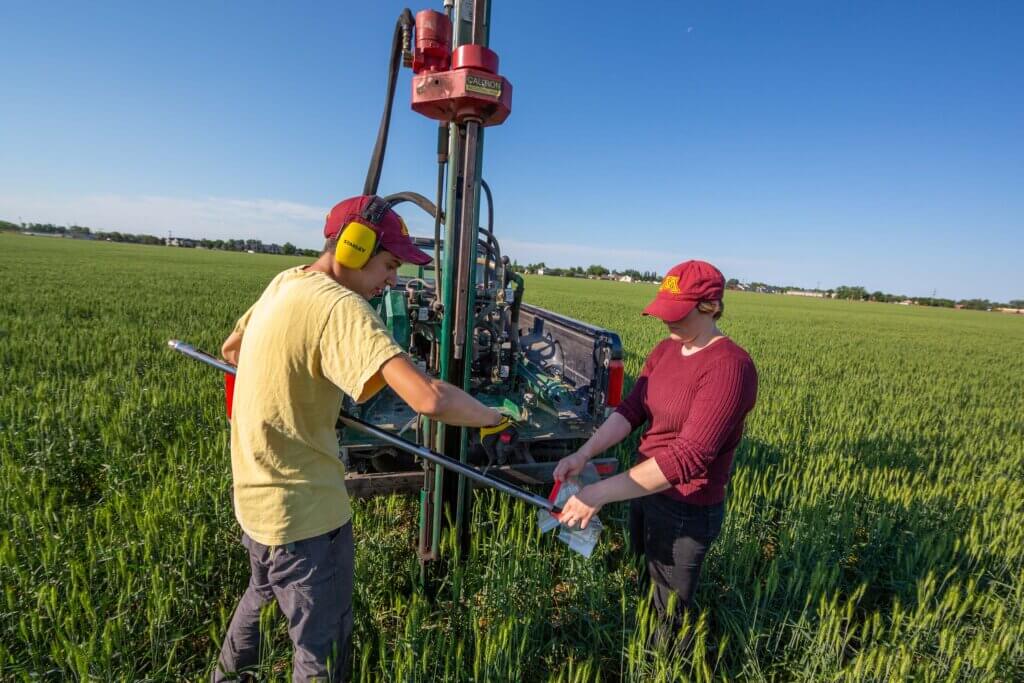
Project lead: Lindsay Pease, University of Minnesota
Project overview: This research will measure how monoammonium phosphate and diammonium phosphate fertilizers applied in northwestern Minnesota affect yield, nutrient losses, and soil nitrogen, phosphorus and carbon availability during a two-year corn-soybean rotation. It will also evaluate how application of these fertilizers affects the aforementioned factors when applied annually versus once in the two-year cycle.
[Read more: Small check-off investment leads to big phosphorus study grant]
Why it matters: A better understanding of how phosphate- fertilizer applications affect economic and environmental factors could help increase nutrient-use efficiency in northwestern Minnesota, where nutrient-management research has been limited to date.
[More: Pease discusses her research on the Minnesota Corn Podcast]
*Assessing how corn responds to nitrogen at different potassium-fertilization rates
Project lead: Dan Kaiser, University of Minnesota
Project overview: This project will evaluate how different rates of nitrogen- and potassium-fertilizer application affect fixed nitrogen and potassium in soil.
Why it matters: The project could help increase the understanding of whether fixation of nitrogen and potassium in the soil impacts corn- fertilizer requirements.
[More: Kaiser discusses his research on the Minnesota Corn Podcast]
Innovation Grants
Since 2016, Minnesota Corn has offered Innovation Grants to farmers and researchers. These grants support projects aimed at developing new uses for corn; exploring farming practices that enhance air and water quality; studying ideas that might make corn farming more profitable and efficient, and more.
In 2022, Minnesota Corn is funding 11 Innovation Grant projects. Four are new, and seven have been funded previously. Find results of previous projects at mncorn.org/research.
*Indicates newly funded project
*Helping students understand how nitrogen rates affect corn yields, canopy growth
Project lead: Adam Alford, Southwest Minnesota State University (SMSU)
Project overview: This project will include growing corn using six different nitrogen-fertilizer-application rates on a plot donated to SMSU. Students will use the plot as an educational tool to learn about the various aspects of corn growth and development. Additionally, a field day will be held to summarize the results of the experiment for local farmers.
Why it matters: Helping students gain a better understanding of farming practices will help ensure the next generation of farmers has the tools it needs to be successful.
Determining how a microbial product affects nitrogen levels in corn
Project lead: Allan Dose, corn farmer, Sibley County
Project overview: This research will explore whether application of Pivot Bio PROVEN® 40, a microbial product that converts atmospheric nitrogen into ammonia, increases corn nitrogen levels.
Why it matters: Microbial products that increase nitrogen levels could help farmers reduce nitrogen-fertilizer-application rates, saving money and potentially reducing nitrogen losses.
Comparing the effects of commercial fertilizer vs beef manure
Project lead: Blair Hoseth, farmer, Mahnomen County
Project overview: The project will compare corn yields when a commercial fertilizer is applied versus when beef manure is applied.
Why it matters: The project could help farmers make improved nutrient- management decisions, boosting their efficiency and profitability.
Improving soil microbial mineralization using a “Living Carbon” soil amendment
Project lead: Gary Prescher, farmer, Faribault County
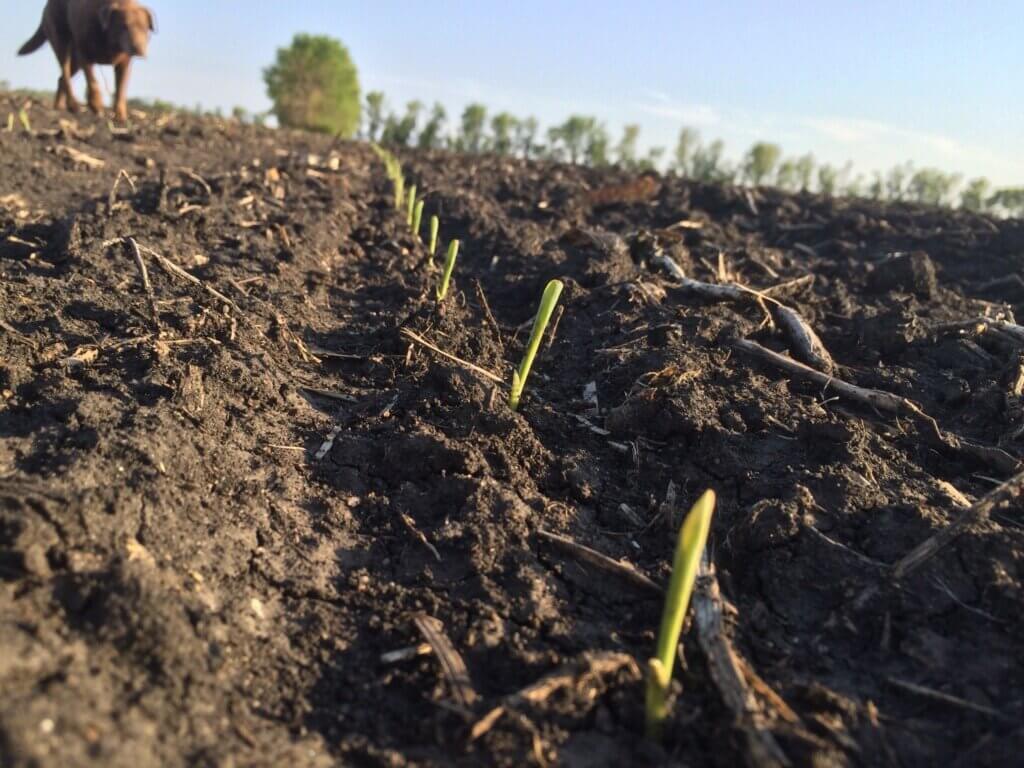
Project overview: This project is studying whether the application of a “Living Carbon” composted manure on corn and soybean fields affects soil-fertility metrics and yield.
Why it matters: A better grasp of how “Living Carbon” products affect crop production could help farmers when deciding whether to apply such products.
[More: Prescher discusses his research on the Minnesota Corn Podcast]
Studying the impact of cover crops on cropland
Project lead: Mikayla Tabert, farmer, Red Lake County
Project overview: This project continues efforts to quantify the impacts on soil health and economic factors when cover crops are integrated into a crop rotation.
*Evaluating variable-rate sulfur application
Project lead: Kirk Stueve, farmer, Traverse County
Project overview: This study will evaluate how different rates of sulfur-fertilizer application affect factors such as sulfur availability, organic matter and other related soil properties.
Why it matters: Better guidelines for precision sulfur management could help corn farmers ensure they’re making the best possible decisions when using sulfur fertilizers.
*Developing a field-scale carbon filter for tile drainage
Project lead: Nazli Yilmaz Wodzinski, Minnesota State University, Mankato
Project overview: This project will aim to design a filter that can parse nutrients out of tile drainage before they drain off the farm.
Why it matters: The filter could reduce nutrient losses, improving water quality.
Evaluating a Pivot Bio microbial product in corn production
Project lead: Les Anderson, farmer, Goodhue County
Project overview: This project will evaluate whether Pivot Bio PROVEN® 40 can replace some of the synthetic nitrogen used in corn production.
Why it matters: By replacing synthetic nitrogen with a microbial product, farmers could reduce expenses and, potentially, nitrogen losses.
Determining how tillage practices, cover crops affect production in clay-loam soil
Project lead: Vance Johnson, farmer, Wilkin County
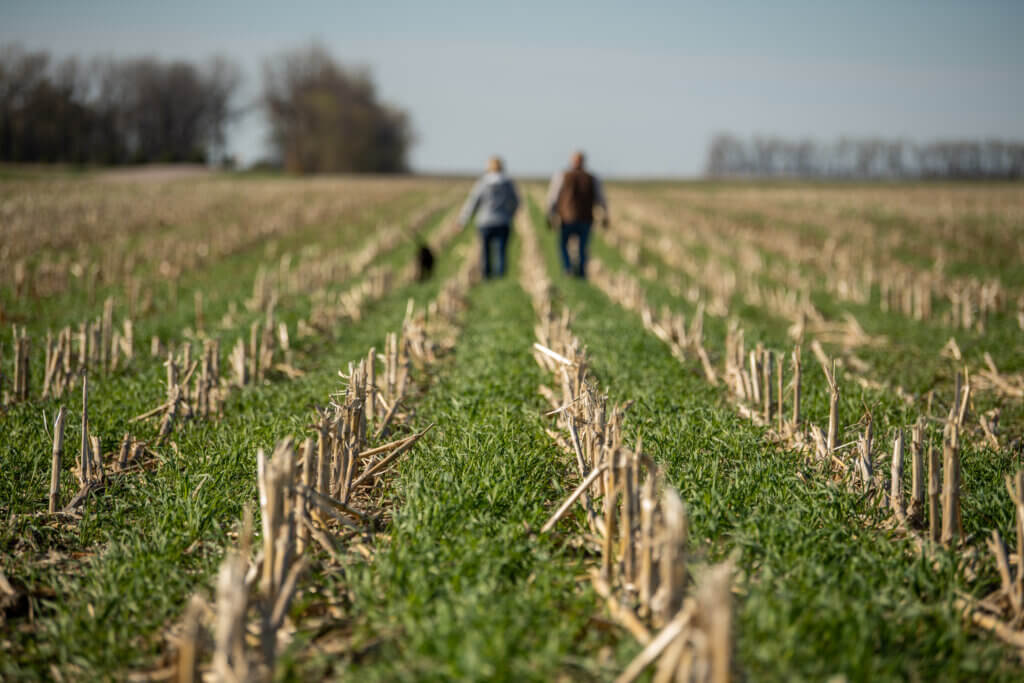
Project overview: This project will evaluate how no-till, strip-till and conventional tillage and cover crops affect soil properties and economic returns.
Why it matters: Additional data on the effects of these practices could help farmers in areas with clay-loam soil decide whether to adopt them.
Evaluating corn-stover-derived nanocellulose as a fertilizer control-release agent
Project lead: Lingling Liu, Iowa State University
Project overview: This study will evaluate whether corn-stover-derived nanocellulose is effective as a coating for controlled-release fertilizers.
Why it matters: The project could result in a new value-added market for corn farmers.
*Studying a nitrogen-fixing microbe in corn production
Project lead: Paulo Pagliari, University of Minnesota
Project overview: This project will evaluate whether the nitrogen-fixing bacteria Azospirillum brasilense can positively impact corn production.
Why it matters: The project could help Minnesota grain growers minimize reliance on chemical fertilizer inputs.