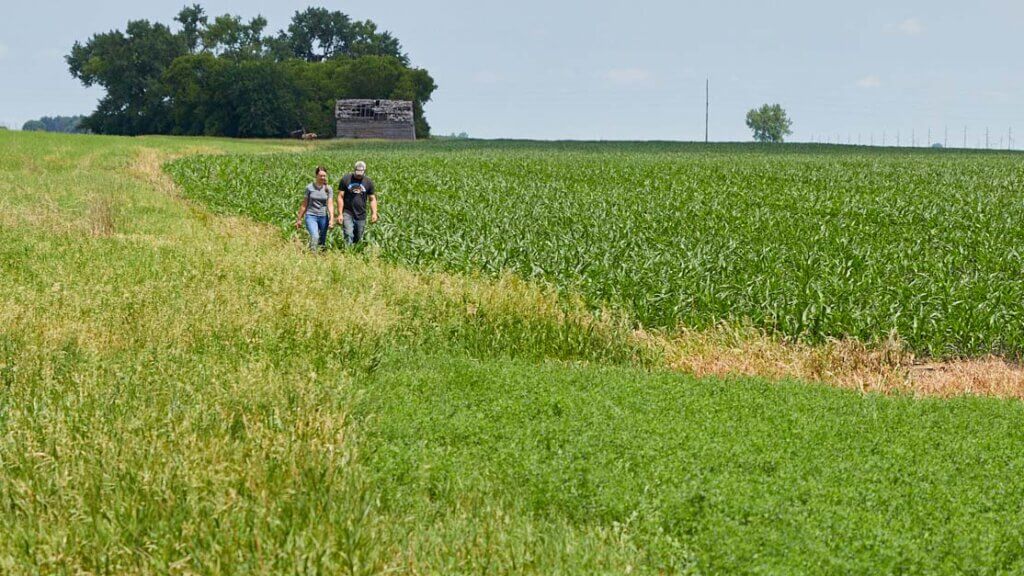
Ensuring sustainability: People, planet, profit
To some, sustainability means renewable energy or planting methods that replenish the soil. To others, it means efforts to revitalize their communities, providing them with the resources they need to be successful. Yet to others, sustainability means ensuring profitability to build a strong foundation for future generations.
Given the global focus on sustainability in recent years, agriculture groups, including Minnesota’s corn organizations, have been continuously working to ensure that such efforts are top of mind. As in past years, Minnesota Corn continues to work to sharpen all aspects of its sustainability program. Read on to learn about the comprehensive approach we’re taking to sustainability — from ensuring a healthy planet to supporting the people in our communities and ensuring that farmers can turn a profit.
People
At its core, sustainability is about ensuring prosperity for future generations. For Minnesota Corn, this strikes at the heart of our definition of sustainability — and the work we do every day.

Each year, we’re investing corn check-off funds into organizations and educational programs that support rural communities and the next generation of farmers and agriculture leaders. This critical work is building a strong foundation of young people who are passionate about agriculture and are inspired to pursue careers in the field.
For example, for over 30 years, Minnesota Corn has supported Minnesota Agriculture in the Classroom (MAITC), a public-private partnership that aims to increase agricultural literacy through K-12 education. In 2021, MAITC reached over 132,000 Minnesota students with a positive message about food and farming, teaching valuable lessons and broadening horizons about what careers in agriculture can look like.
[More: Read about MAITC programming on the Minnesota Corn blog]
In addition to MAITC, Minnesota Corn is supporting the University of Minnesota Extension 4-H agronomy and horticulture program, which teaches students valuable lessons about farming and crop production. We’re also continuing to support FFA, which provides over 15,000 students across Minnesota with skills needed to pursue careers in agriculture and related fields.
Beyond youth development, Minnesota Corn also supports efforts by county corn grower associations to build strong community bonds at the local level. Each year, thanks to this grassroots leadership, county corn grower associations hold community meetings, support local organizations and provide each other with the resources needed to prosper. As a state organization, we’re proud to support these efforts.
Finally, Minnesota Corn is also well aware that sustainability means supporting communities beyond the farm. That’s why we’re proud to partner with WCCO Radio and other Minnesota-based companies each year to raise money for Second Harvest Heartland through the annual “Let’s Kick Hunger” Day event. This past February, the 13th annual event raised over $460,000 to stock food shelves around Minnesota.
Planet
Just as we’re serious about investing in efforts to support the people of our state, Minnesota Corn recognizes the weighty responsibility we hold in caring for our land and water. It’s a mission we don’t take lightly as an organization.
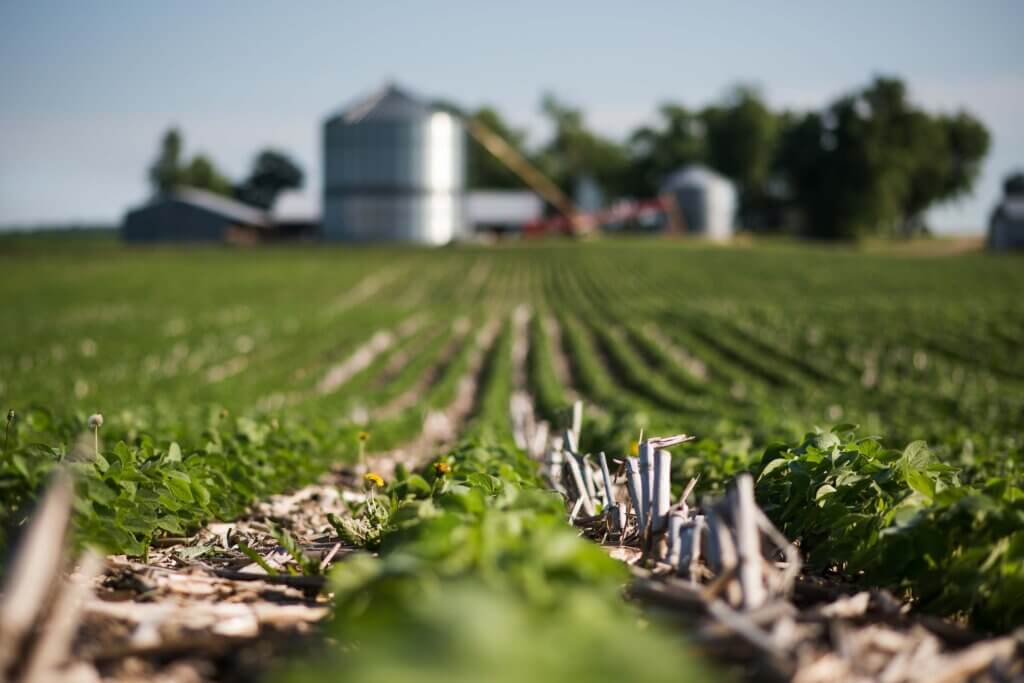
To further those efforts, each year, Minnesota Corn invests over $2 million in research aimed at boosting on-farm sustainability and profitability. Projects are led both by farmers and university-level scientists and are subject to a rigorous vetting process.
In 2022, Minnesota Corn has allocated funding to 30 projects that address a wide array of environmental and sustainability issues. These projects could help farmers use inputs more efficiently, optimize the adoption of conservation practices and reduce fertilizer runoff.
“All of these projects share the same goals: to increase the livelihoods of corn farmers and lessen the impacts on the environment,” said Maciej Kazula, Minnesota Corn’s research director.
Beyond research investments, the Minnesota Corn Growers Association (MCGA) advocates at the state Capitol each year for programs and policies that allow for farmer-led conservation efforts. In 2022, thanks to this grassroots advocacy, the state Legislature approved a $500,000 soil-health financial-assistance program that will help farmers as they look to implement conservation practice. MCGA thanks the bipartisan lawmakers who worked for passage of this program.
Off the farm, Minnesota Corn continuously supports the development of corn-based products that lessen our collective environmental footprint. In recent years, we’ve invested corn check-off funds in research at the University of Minnesota-based Center for Sustainable Polymers to develop corn-based plastics. We’ve also invested in efforts by Låkril Technologies to mass produce a corn-derived acrylic acid and ClearFlame Engine Technologies to develop an ethanol-powered engine that can be used in long-haul trucking.
We look forward to seeing the results of these initiatives come to fruition.
Profit
Without the profit to sustain an operation in the near term, sustainability becomes moot. That’s why Minnesota Corn invests in efforts to ensure that farmers have constant, predictable markets for their crop.
One of our most substantial investments in recent years is our support for ethanol promotion and market development. Since 2008, Minnesota Corn has invested over $30 million to promote and increase use of ethanol-blended fuels. That has included promoting E15 (also known as Unleaded 88) and other ethanol-blended fuels through the Better Fuel Initiative outreach campaign. It has also included two investments of at least $1 million into state biofuel-infrastructure grant programs — one in 2015 and another in 2021 — to help fueling stations upgrade to equipment compatible with higher ethanol blends.
These efforts by Minnesota’s corn farmers are seeing results. In recent years, the number of retailers carrying E15 in Minnesota has skyrocketed, according to state data. Minnesota has also seen sales of E15 rise to record levels.
Not only is ethanol helping to ensure the vitality of Minnesota’s family corn farmers, it’s also helping ensure environmental sustainability. Ethanol reduces greenhouse gas emissions by nearly half compared to gasoline, allowing us all to breathe a little easier. It also helps reduce emissions of harmful tailpipe pollutants, while costing consumers less per gallon at the pump.
[More: Find a fueling station near you offering higher ethanol blends]
Beyond ethanol, Minnesota Corn is helping to ensure the financial vitality of family corn farmers through investments in organizations that develop markets abroad, such as the U.S. Grains Council and the USA Poultry & Egg Export Council.
Sustainability: It’s who we are
To summarize, sustainability is at the core of everything we do as Minnesota Corn. Whether it’s supporting the next generation of farmers or investing in research or renewable products that benefit the environment, Minnesota’s corn farmers are constantly looking to ensure the viability of their operations for generations to come.
It’s an attitude that has made Minnesota’s corn farmers successful for generations. Going forward, it will help ensure our shared prosperity well into the future.