Farmfest panel considers the future of energy
Written by Jonathan Eisenthal
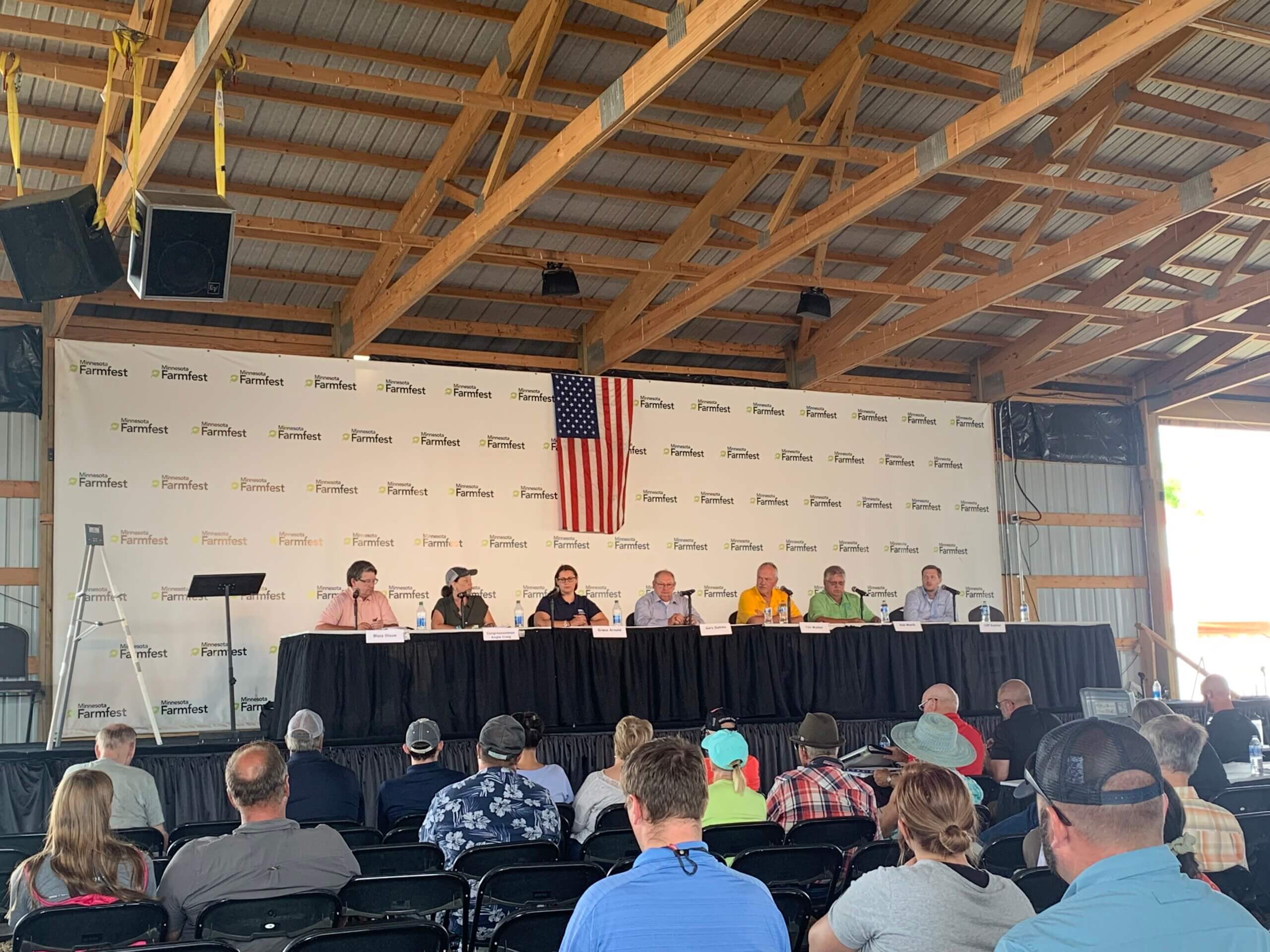
Rep. Angie Craig sits on both the U.S. House Agriculture Committee and the U.S. House Energy and Commerce Committee. She told the crowd at the Wednesday afternoon forum at Farmfest that serving on both committees is the perfect place to help develop the best energy policy for all of Minnesota — urban, suburban and rural. She represents Minnesota’s Second District, which is a highly populated area in the south Twin Cities metro, but where 60% of the geographical area is currently covered with corn and soybeans, she said.
She described the current energy debate in the halls of Congress as contentious, and heavily influenced by big special interests.
“You have Big Oil on one side and the electric vehicle industry on the other, battling it out. Biofuels is the middle ground!” Craig said, offering her assessment that ethanol and biodiesel will be a major part of America’s energy future. However, she said this will require hard work and staunch advocacy, and encouraged farmers and biofuels producers to make their voices heard, because there are a lot of people from Texas in Washington, D.C., talking to Congress members about oil.
[More: View a livestream of the panel.]
Both Tim Waibel, president of the Minnesota Corn Growers Association, and Craig said the next big challenge will be regaining the year-round waiver for E15 after a recent court ruling threw out the rule that allows stations to sell E15 as a gasoline blend during the summer. Craig told the crowd that if the U.S. went to E15 as its standard gasoline, the decrease in greenhouse gas emissions would be the equivalent of taking four million cars off the roads.
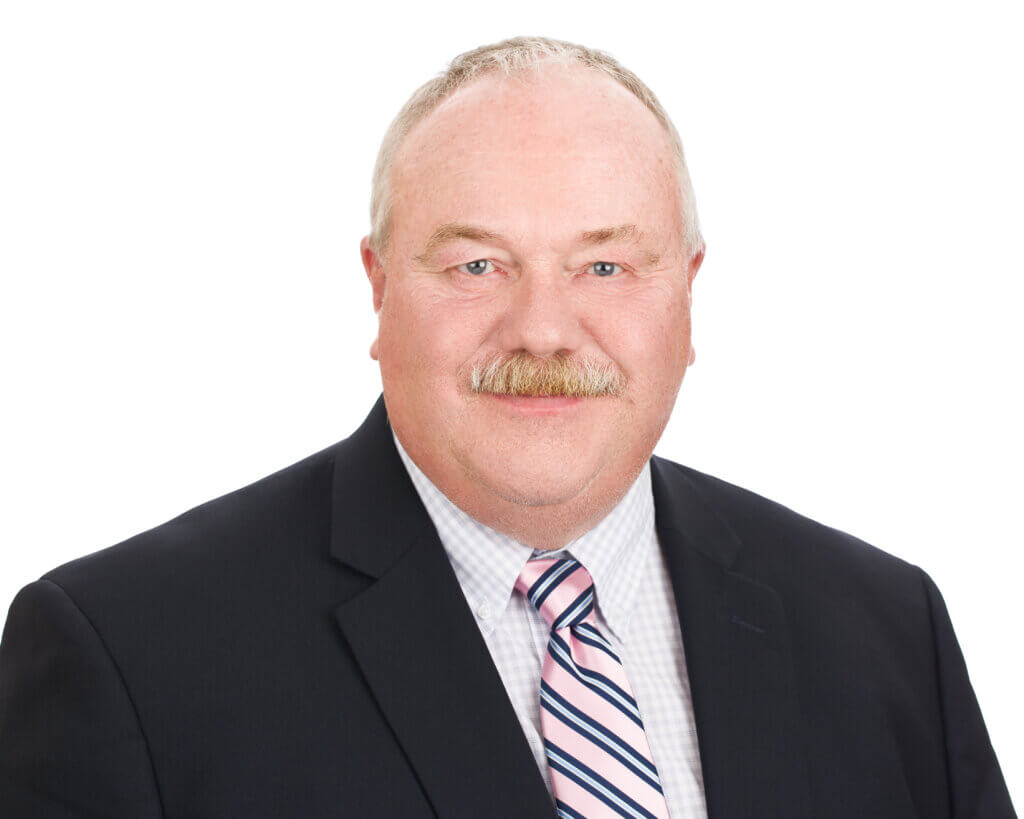
“We will see it done,” Waibel said.
Bob Worth, a farmer in southwest Minnesota, spoke to biodiesel, saying the state standard is 20%. He said a move to higher blends would give greater clean air and carbon reduction benefits, and also offer excellent engine performance.
“We make the fuel here. There’s no reason why we shouldn’t be using it,” Worth said.
State Sen. Gary Dahms, who represents the Redwood Falls region where Farmfest takes place, pushed back against recent moves by the Biden administration and Gov. Tim Walz to speed up the rollout of electrical vehicles. He worried that the same thing could happen with EV infrastructure that has happened with broadband in Minnesota — an unequal distribution of the resource.
“There are still areas of Minnesota without broadband, and I worry that we will have areas of Minnesota without charging stations — and rural residents often have farther to travel for work, or they have long distances to haul commodities,” he said.
Dahms said the energy industry should be given room to make progress and they should also make time and space for everyone to come into the discussion and be heard, so that their energy needs are considered, too.
The session opened with a short keynote from Gov. Tim Walz, who acknowledged the widespread feelings of anger during the past year over the handling of the pandemic and other issues, but he urged people not to let these things divide families or communities.
Another key issue raised in the energy forum was one of adequate supply, and how that can be maintained as the state’s utilities transition to more renewable electric sources. Waibel, who operates a hog farm with his family, talked about how their barns require 150 enormous fans to keep the temperatures right for the animals, and the local electric utility has put them on peak load service, meaning when demand peaks, they have to switch to on-site generators, which require high-cost fossil fuel to operate. He worries that the electric energy supply challenge may become even more difficult when more of the supply is generated by solar and wind energy, which, to date, do not have adequate long-term battery storage.
[More: Read additional Farmfest coverage.]
Grace Arnold, Minnesota Commerce Commissioner, said that one of the easiest ways to ensure that energy remains economical for everyone, and to ensure that transitions to clean energy technology do not disrupt the supply, is to work to conserve energy, and she named a number of programs that her agency uses to work with businesses to reduce energy use. She did, however, assure the audience that the state’s investor-owned utilities have a highly regulated pathway to decommissioning coal plants and adding solar and wind capacity, and that this pathway includes “offramps” that would slow down or stop projects that would result in major rate hikes for residential customers.
Cliff Kaehler, CEO of a solar company called Novel Energy Solutions, said that solar energy is cheaper than fossil fuel generation, and will continue to be cheaper going forward, which means that the transition will happen.
“Transitions get messy. Unfortunately, there are whole industries that exist now that won’t exist in 20 or 30 years and some people will lose their jobs,” Kaehler predicted. “We can’t stop progress, because other countries will step in and we will end up buying energy or products from these other countries instead of producing it ourselves. … If you wait for everything to be perfect, you miss the boat.”